
Table of Contents
The Shift from Paper to Digital
For decades, paper-based inspections have been the industry standard in fire safety compliance. Although commonplace, these traditional systems posed risks of errors, data loss, and slow reporting cycles, all of which could result in delayed compliance and compromised safety. As fire safety regulations have evolved, the adoption of digital inspection platforms has accelerated, fundamentally transforming the inspection process.
One standout example of this digital evolution is The Compliance Engine, a national leader in fire safety compliance management. Leveraging platforms like the Brycer Fire Alarm Inspection Software, The Compliance Engine offers streamlined, cloud-based fire inspection workflows that allow inspectors to capture real-time data, upload photographic evidence, and generate comprehensive reports on-site. As a highly trusted provider serving jurisdictions across the United States, The Compliance Engine’s commitment to detail and innovation has positioned it as an authority in regulatory compliance, providing essential tools that keep facilities on the leading edge of fire protection requirements.
Enhancing Efficiency and Accuracy
Digital inspection software not only streamlines workflows but also enhances the efficiency and reliability of data capture. By allowing inspectors to enter findings directly into mobile devices while on-site, the process reduces the need for double-entry and mitigates human error. Outcome data from companies that have transitioned to digital platforms show impressive improvements, including significant reductions in both data collection time and overall inspection cycle times. These gains translate to faster issue resolution and quicker compliance documentation, which are critical advantages given the increasingly stringent regulatory landscape.
Real-Time Data Access and Cloud Integration
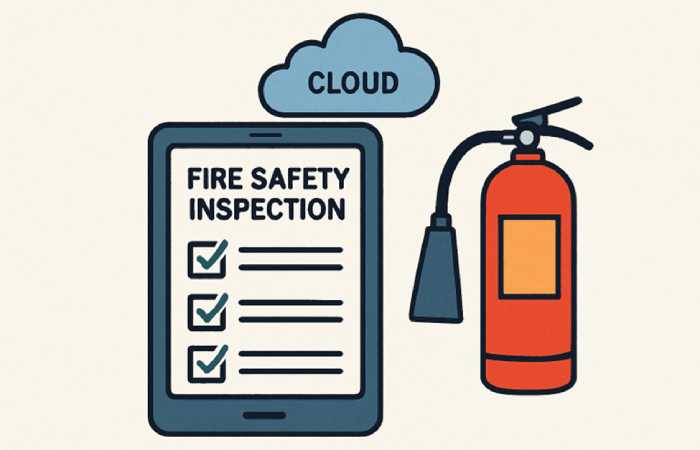
The power of cloud-based technology lies in its ability to provide instant, secure access to inspection records and compliance reports. Facility managers, fire marshals, and compliance officers can remotely track the status of inspections, receive alerts on overdue items, and monitor remediation progress in real time. Centralizing data in the cloud not only enhances internal transparency but also ensures that documentation is readily available during compliance audits or external reviews, thereby simplifying the preparation and review processes for all stakeholders.
Integration with Building Information Modeling (BIM)
Modern fire safety compliance is increasingly leveraging Building Information Modeling (BIM), which provides interactive digital representations of buildings and their associated fire protection systems. Through BIM, inspectors can pinpoint the exact location and status of fire safety assets—such as alarms, extinguishers, and emergency exits—making scheduled maintenance and issue resolution far more efficient. These highly detailed models also serve as a dynamic reference that evolves with building modifications or regulatory changes.
Artificial Intelligence and Predictive Analytics
Integrating Artificial Intelligence (AI) and predictive analytics into digital inspection platforms is a game-changer for fire safety risk assessment. AI algorithms sift through historical inspection data, equipment reports, and past incident records to identify patterns that might signal emerging risks. As AI continues to mature, fire safety providers are increasingly able to prioritize inspection routes and schedules based on probabilistic risk, allocating resources where they’re needed most and potentially preventing incidents before they arise.
Such advancements are broadly discussed in the context of smart building technology.
Visual Documentation for Compliance
Visual documentation—such as photos and videos collected at the inspection site—is now a requirement for many regulatory authorities. Digital solutions enable the easy attachment of timestamped visual evidence to reports, providing indisputable proof of compliance and the rectification of deficiencies. This not only makes regulatory reviews more straightforward but also adds a robust layer of accountability, reducing liability for both building owners and inspectors alike. Regulatory agencies increasingly view well-maintained visual archives as prerequisites for demonstrating adherence to fire and life safety codes.
Conclusion
Digital inspection technologies are fundamentally reshaping the way organizations approach fire safety compliance. From efficiency and accuracy gains to proactive risk management enabled by AI and BIM, the shift is not only streamlining processes but also driving a cultural transformation toward better, safer buildings. As regulations continue to evolve, adopting advanced digital solutions becomes not just a strategic advantage but a core requirement for responsible building management. By partnering with trusted software providers and prioritizing digital-first compliance processes, organizations can safeguard their facilities and demonstrate their commitment to occupant safety and regulatory excellence.

