

Auto insurance, once a predictable sector relying on traditional risk assessments and paper-based claims, is now experiencing a dramatic transformation fueled by digital innovation. With the integration of telematics, artificial intelligence, and automation, policyholders increasingly expect tailored services and seamless claim settlements, while insurers seek new ways to assess risk and streamline their workflows. These shifts are profoundly changing the way both companies and customers experience auto insurance, making it crucial for consumers to choose providers that embrace these advancements, such as AARP auto insurance.
At the heart of this evolution are technologies that not only drive efficiency but also foster greater transparency and competitive pricing. From adjusting premiums based on individual behavior to using AI for lightning-fast claims approval, the landscape is becoming more dynamic—and, for attentive drivers, potentially more rewarding.
However, as innovation propels the industry forward, it also presents challenges such as ensuring data protection, navigating new regulatory demands, and addressing complex liability questions raised by autonomous vehicles. Policyholders and insurers alike need to stay informed to capitalize on emerging opportunities without exposing themselves to unnecessary risks.
As technology continues to reshape the industry, understanding these developments is crucial. Policyholders who adopt digital solutions—and select providers at the forefront of these advancements—can enjoy an auto insurance experience that is safer, smarter, and more convenient.
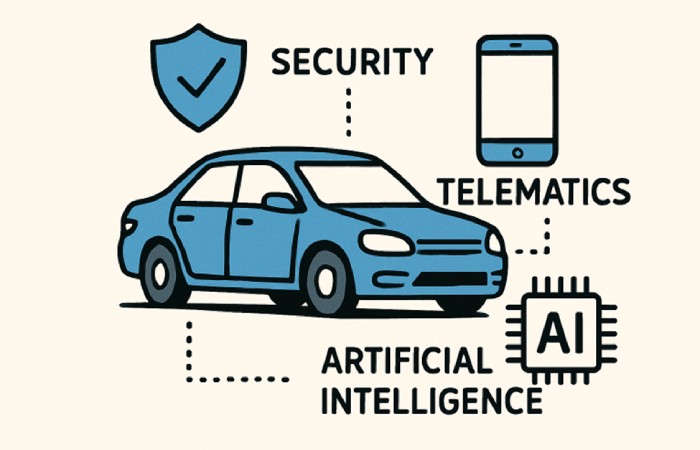
Table of Contents
Telematics and Usage-Based Insurance
Telematics technology involves installing devices in vehicles to collect real-time data about how, when, and where a car is driven. This innovation fuels usage-based insurance (UBI) programs, enabling insurers to set premiums based on actual driving habits, such as speed, braking, and mileage, rather than broad demographic factors. According to a poll highlighted by Insurance Business Asia, over 36% of respondents valued telematics for its online policy management, and another 36% for potential premium reductions. Not only does this foster personalized coverage, but safer drivers may also see significant savings. At the same time, overall road safety could improve as motorists receive feedback and incentives to adopt better driving habits.
Artificial Intelligence in Claims Processing
Artificial intelligence (AI) is fundamentally changing the way auto insurance claims are processed. Leveraging machine learning and sophisticated image recognition, AI-powered systems rapidly analyze accident photos, assess damage, and recommend settlements. Industry leaders like Tractable have leveraged this technology to enable insurers to process claims with unprecedented speed and accuracy, ultimately minimizing human error and reducing settlement times. For policyholders, this can mean nearly instant claim resolutions, improved satisfaction, and more transparent communication in stressful situations. As highlighted by Forbes, the speed of AI in handling claims is setting new industry standards and reducing costs for both insurers and their clients.
Autonomous Vehicles and Liability
The rise of autonomous vehicles (AVs) is shaping new insurance models and raising fresh questions about liability. When cars drive themselves, it becomes complex to determine who is at fault in the event of a crash—the driver, the vehicle manufacturer, or the software provider. As control shifts from human drivers to algorithms, insurers are collaborating with automakers and regulators to build frameworks that address these scenarios. McKinsey notes that some leading insurers are experimenting with hybrid policies that account for both human and automated actions, ensuring that victims are compensated while the responsibility is fairly allocated. The evolution of these models will continue as adoption of AVs grows and regulatory guidelines mature.
Fraud Detection and Prevention
In the battle against insurance fraud, technology is a critical ally. AI-driven systems can analyze vast amounts of historical claims data, identifying patterns and red flags that human investigators might miss. Advanced image recognition tools flag inconsistencies in damaged vehicle photos, helping root out staged accidents and exaggerated losses. These innovations not only save insurers millions of dollars annually but also ensure a fair and honest environment for legitimate customers. According to a report by Forbes, these efforts are already impacting the rates of fraudulent claim detection and leading to stricter scrutiny of suspicious cases.
Data Privacy and Security
The proliferation of telematics and AI technologies has intensified concerns around data privacy and security. Insurers today must adhere to strict regulatory standards to safeguard sensitive driver information, ensuring it is only collected, shared, and stored with explicit consent. Ongoing disclosures and clear policies are essential in gaining customer trust, particularly as cyber threats become increasingly sophisticated. Compliance with industry standards such as the General Data Protection Regulation (GDPR) and other local regulations is non-negotiable, as any data breach can have significant financial and reputational repercussions for insurers.
Regulatory Challenges and Adaptations
The rapid pace of technological change necessitates that regulators adapt quickly, striking a balance between supporting innovation and protecting consumers. Laws must evolve to address emerging risks, prevent discrimination, and guard against privacy violations, while encouraging fair competition. Communication and collaboration among insurers, policymakers, and technology leaders are essential in crafting policies that keep the industry both secure and future-ready. The U.S. Department of the Treasury emphasizes the importance of modernizing oversight processes, recommending ongoing reviews to ensure that evolving technology doesn’t outpace current legal frameworks.
The Future of Auto Insurance
The future of auto insurance is shaped by ongoing investments in emerging technologies, such as blockchain for secure record-keeping, augmented reality for enhanced driver training and claims visualization, and increasingly sophisticated data analytics. Insurers that embrace these trends and prioritize customer trust will be best positioned to thrive. As the sector evolves, expect to see more tailored products, streamlined claim experiences, and transparent pricing, transforming auto insurance from a static necessity into a dynamic, customer-first service.

