

Thick, shear-sensitive food products punish the wrong pump quickly, breaking down texture and quality within mere seconds every time. A rotary lobe pump moves these delicate food materials without the damage that centrifugal designs often cause daily. Gentle handling protects your product quality and helps your equipment run longer during every single production shift.
Cheese sauces, yogurt, purees, and cream products all move through busy processing lines under constant daily pressure. Choosing equipment that respects product texture matters just as much as choosing the right recipe carefully. You will learn why a rotary lobe pump fits these demanding food processing applications so well today.
Table of Contents
Why Is a Rotary Lobe Pump Better for Viscous Products?
A rotary lobe pump uses two counter-rotating lobes that trap product between the rotor and housing. Positive displacement action handles thick, high-viscosity food products without the shear force that centrifugal impellers create. The overall result is steady flow with minimal damage to particulates or delicate food product texture.
How a Rotary Lobe Pump Handles Viscous Food Products Gently
Centrifugal pumps rely on rapid impeller speed, creating strong shear forces that damage delicate food particulates quickly during transfer. A rotary lobe pump moves product smoothly with far less shear across every single transfer cycle in your plant. In fact, cheese curds, fruit pieces, and cream structures stay fully intact through the entire filling process.
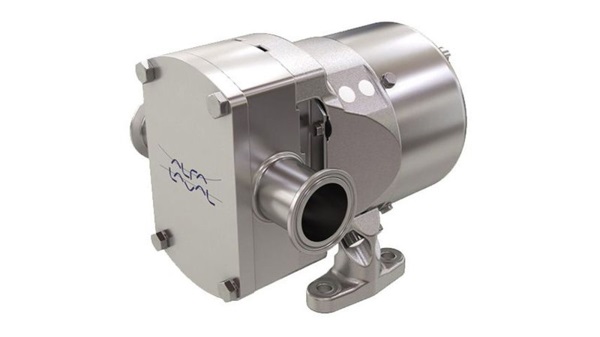
Gentle action matters most when product appearance and mouthfeel directly affect how customers ultimately perceive overall product quality. Steady flow in a rotary lobe pump also reduces foaming and air entrainment compared to fast centrifugal pump alternatives used across most plants daily.
Notably, less foaming also means fewer downstream quality issues during filling, packaging, and every final inspection step. Processors running commercial cheese cutting operations depend heavily on texture that arrives fully intact and ready each time. Reliable handling also reduces product loss from splashing or foam overflow between busy transfer vessels during peak shifts.
Thus, reduced product damage lowers waste rates across yogurt, puree, and sauce production lines every single day. Operators also spend less time reworking rotary lobe pump batches that failed texture or appearance standards during routine quality audits each month. Fewer rejected batches protect your margins across every shift and every long production run across your entire facility.
Reversible Flow and CIP Compatibility Simplify Operations
Overall, rotary lobe pumps run in either direction for transfer, recirculation, and thorough cleaning tasks across your entire line. Reversibility simplifies piping design since one single pump pushes product forward or pulls cleaning solution back through it. Fewer specialized components mean less equipment for your maintenance team to inspect, repair, and maintain overall each month.
Front-loading designs let technicians access lobes and seals fast during routine cleaning and inspection checks between batches. Technicians disassemble the pump without removing piping, cutting changeover time between different product runs quickly and safely. Plants running multiple products on shared lines gain real scheduling flexibility for their teams as a result.
Likewise, reliable clean-in-place (CIP) performance depends on removing every trace of leftover product residue quickly and completely. Many plants pair pump upgrades with better tank cleaning practices across the entire production facility each year.
Reversible operation gives your rotary lobe pump added value well beyond simple product transfer tasks alone. Fewer washdown steps translate into much shorter transitions between different product runs on busy production days each week. In turn, your maintenance team gains more time for other important production priorities each week overall.
Sizing and Material Selection for a Rotary Lobe Pump
Selecting the right rotary lobe pump size starts with matching your exact flow rate and viscosity needs. However, rotor clearance changes based on product viscosity, particulate size, and your desired flow rate range. Wider clearances handle thicker products well, while tighter clearances suit thinner, faster moving product flows smoothly.
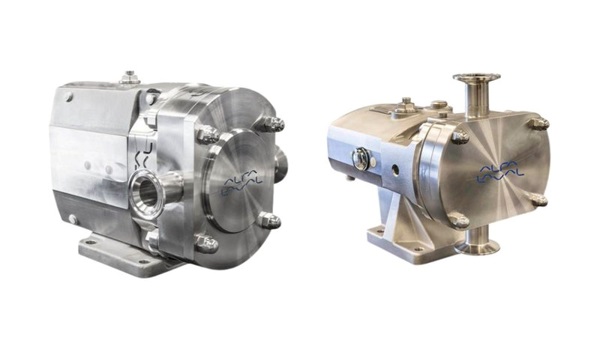
Flow rate requirements also determine motor speed and overall rotary lobe pump output capacity needed daily. Still, undersized pumps strain motors, while oversized units waste energy and valuable floor space every day.
Elastomer seals must resist fats, acids, and harsh cleaning chemicals found in most dairy processing plants. Stainless steel housings need proper food-grade finishes that resist corrosion and bacterial buildup over many years.
Every production line has its own unique viscosity, temperature, and flow rate combinations worth considering very carefully. Our engineers rely on custom equipment fabrication to match pumps to your exact process needs closely. Consequently, your production line runs with fewer surprises and far less unplanned downtime overall each month.
Food-grade stainless grades like 316 resist corrosion far better than standard 304 options generally do today. Ultimately, choosing the correct grade protects your equipment investment across many years of daily production use. Working with experienced engineers helps you select a rotary lobe pump built exactly right the very first time.
Work With Koss Industrial Today
Moving thick, delicate products without damage always protects your quality standards during every single shift. A rotary lobe pump gives you reliable, gentle handling for demanding transfer applications for years. The right pump choice lowers quality issues and reduces unplanned downtime across every single shift.
Koss Industrial engineers pump systems around your exact product characteristics and specific process requirements every time. Our team helps you select and install the right equipment built specifically for your entire production line every time. Reach out to our engineers today to discuss your rotary lobe pump requirements, or contact us directly.

