













Home Blog Page 7

Featured Categories

The Play Instinct: What Drives Us to Keep Playing Games?

0

Play is more than a pastime—it’s a psychological need deeply embedded in human nature. Whether it’s casual mobile games, competitive sports, or immersive virtual worlds, the urge to play transcends age, culture, and technology. As players, we chase challenges, rewards, and emotional highs, often returning again and again. A fascinating example of this magnetic loop can be seen in games like smartsoft mine island, which keeps users engaged with a mix of suspense and simple mechanics. smartsoft mine island draws players back through clever design and psychological appeal, representing a modern manifestation of timeless behavioral patterns.

The Core Psychology Behind Game Engagement

Many players underestimate how deeply psychology influences their gaming behavior. At the heart of this influence is the concept of “intrinsic motivation”—the inner drive to engage in activities for their own sake. Games appeal to this by offering experiences of autonomy, mastery, and purpose. Each victory or milestone releases dopamine, creating a satisfying feedback loop that reinforces continued engagement.

Curiosity also plays a major role. When games present unpredictable outcomes or hidden rewards, the brain becomes intrigued. This “uncertainty effect” taps into our desire to explore and discover, making it hard to walk away. Social dynamics, like leaderboards or co-op missions, add yet another layer by appealing to our need for status and belonging.

Even the structure of games is tailored to our cognitive wiring. Short tasks followed by quick rewards reduce cognitive load and keep attention focused. The anticipation of what’s next fuels momentum, while visual and audio cues amplify the sensory experience. This combination of factors ensures that players remain engaged far longer than they expect.

How Reward Systems Shape Player Behavior

The Science of Dopamine and Rewards

Games are masterfully designed to trigger the brain’s reward center. Every win, point, or unlocked achievement activates a dopamine release, creating pleasure and motivating repetition. The unpredictability of rewards—like random loot drops or mystery levels—enhances this effect. It’s not just the reward itself but the anticipation that heightens engagement.

Reward systems often operate on variable-ratio schedules, a concept borrowed from behavioral psychology. This means rewards come after an unpredictable number of actions, similar to slot machines. This pattern is highly effective at keeping players involved, as the next big win always feels just around the corner.

Levels, Points, and Progression Loops

Progression systems—such as gaining experience points or unlocking new features—add a sense of growth and achievement. These systems provide a constant stream of short-term goals that lead toward long-term accomplishments. Over time, they build a narrative of personal development, which is psychologically fulfilling.

Players often return not just to win, but to continue their personal journey. They become invested in their avatars, their stats, and their virtual assets. This investment makes it more difficult to quit, as abandoning a game can feel like abandoning a piece of oneself.

Emotional Triggers and Player Retention

Emotion is a powerful tool in game design. From the excitement of a near-win to the frustration of a close loss, emotions create memorable experiences. These emotional spikes, whether positive or negative, stick in the mind and encourage repeat behavior.

Designers intentionally create “flow states”—moments when players are fully immersed and lose track of time. These are achieved through balanced difficulty, intuitive controls, and consistent feedback. Flow generates joy and keeps users returning, not out of obligation, but genuine enjoyment.

Another factor is nostalgia. Games often mimic the themes, sounds, or styles of childhood favorites, creating emotional familiarity. This connection can transform a simple game into a meaningful experience.

Social Connection in Modern Gaming

Games are no longer solitary experiences. Social interaction has become a defining feature of modern play. Multiplayer modes, chat functions, and friend leaderboards create a sense of community and competition that deepens engagement.

  • Players are motivated by peer recognition
  • Cooperative missions foster teamwork and loyalty
  • Friendly competition drives replayability

Online games, especially, use social hooks to boost retention. Sharing achievements, challenging friends, or collaborating in missions builds a sense of identity within a group. For many, playing is not just about the game—it’s about the people they meet and the connections they form.

The Role of Design in Creating Habitual Play

Design choices have a profound effect on whether players return. Developers craft experiences that are easy to learn but hard to master, encouraging ongoing challenge and progression. Menus are streamlined, tutorials are short, and early rewards are generous to hook new users.

Color schemes, sound effects, and animations also influence mood and attention. Red notifications suggest urgency. Green checkmarks offer closure. These subtle design elements manipulate behavior, guiding users toward desired actions without them realizing it.

Additionally, time-limited events, daily login bonuses, and seasonal content keep things fresh. These techniques leverage FOMO (fear of missing out), prompting players to return regularly so they don’t miss exclusive content.

Why Some Games Become Timeless

Some games don’t just attract players—they keep them for years. Their longevity stems from a combination of deep mechanics, rich storytelling, and community engagement. Titles that evolve over time, add new features, or include modding communities tend to retain loyal audiences.

Long-lasting games often achieve:

  • Emotional depth and memorable characters
  • Regular updates and dynamic worlds
  • A strong, vocal player community

Such games become more than entertainment—they become part of a player’s routine, identity, or even social life. This integration ensures long-term engagement far beyond a single play session.

Final Thoughts: What Keeps Us Coming Back?

Our desire to play isn’t merely about fun or distraction. It’s rooted in complex psychological drives—curiosity, challenge, social connection, and the joy of progress. Game designers understand this deeply and construct experiences that cater to our every impulse.

Whether it’s the thrill of a new level, the suspense of what lies beneath the surface of mine island, or the satisfaction of achieving the next rank, players return because play fulfills emotional and cognitive needs. Understanding this psychology helps explain why some games feel impossible to put down—and why we never really want to.

Why Are Facebook Ads Important for Businesses?

0

With a smartphone in every hand and a computer in every home, online advertising has become an indispensable tool for modern businesses looking to grow and succeed. Among the various platforms available, Facebook stands out as a powerful and effective option. This article explores the importance of Facebook Ads for businesses and refers to https://centaur-consulting-group.com/how-to-find-a-facebook-ads-consultant/ on how to choose a Facebook Ads consultant.

1. Unparalleled Audience Reach

Massive User Base: One of the primary reasons why Facebook Ads are unrivaled is the platform’s massive user base. With billions of active users worldwide, this extensive user base spans different demographics, locations, and interests, allowing businesses to connect with a diverse range of potential customers regardless of their location or industry.

Targeting Capabilities: Furthermore, Facebook Ads feature powerful targeting capabilities that allow businesses to refine their audience and ensure that their ads are seen by the right people. With options to target based on demographics (such as age, gender, and location), interests, behaviors, and even specific connections or groups, businesses can narrow down their target audience with precision. This targeted approach increases the effectiveness of the ads, resulting in higher engagement and conversions.

2. Diverse Ad Formats

Engaging Visual Content: Facebook Ads offers a diverse range of ad formats that allow businesses to create visually compelling and engaging content. Whether a business aims to increase brand awareness, drive website traffic, generate leads, or boost sales, there is an ad format designed to suit each objective. The visual nature of these ad formats enables businesses to convey their brand message effectively, showcase their products or services, and elicit emotional responses from viewers.

Interactive and Immersive Experiences: Businesses can leverage interactive elements within their ads to provide immersive experiences for users. For example, carousel ads enable businesses to showcase multiple products or features within a single ad, allowing users to swipe through and explore different offerings. Collection ads combine a visually appealing cover image with a collection of related products that users can browse, creating an interactive shopping experience directly within the Facebook platform.

3. Powerful Analytics

Comprehensive Metrics: Facebook Ads provides businesses with a wealth of analytics and tracking tools to measure the performance of their ad campaigns. Through the Facebook Ads Manager, businesses can access detailed metrics such as reach, impressions, clicks, conversions, and more. This comprehensive tracking enables businesses to gain valuable insights into which ads are performing well, identify trends, and understand user behavior, allowing them to refine their strategies.

Conversion Attribution: Businesses can also set up conversion tracking pixels or use Facebook’s tracking SDK to measure specific actions taken by users, such as purchases or downloads. This information helps businesses understand the impact of their ads on driving desired actions and enables them to attribute conversions accurately. With this data, businesses can identify the most effective campaigns that are driving the highest conversions and allocate resources accordingly to maximize ROI.

4. Cost-Effective

Compared to traditional advertising channels like television or print media, Facebook Ads often have lower costs and greater flexibility. Businesses can set their own budget and bidding strategies, allowing them to control their advertising expenses based on their specific goals and available resources. This affordability makes Facebook Ads accessible to businesses of all sizes, enabling startups and small businesses to compete with larger enterprises on a level playing field.

The Role of a Facebook Ads Consultant

Persona Research and Creation: Persona creation involves gaining a deeper understanding of the target audience and creating audience segments that align with the business’s goals. A Facebook Ads consultant can develop audience personas that serve as a foundation for creating tailored and effective ad campaigns using factors demographics, interests, behaviors, and Facebook connections.

Compelling Campaign Creation: Developing a compelling campaign is crucial for Facebook Ads to capture the attention and engage the target audience effectively. An experienced Facebook Ads consultant will be able to help your business establish clear campaign objectives and create compelling visual content, persuasive ad copy, and a clear call-to-action that prompts users to take the desired action.

Continuous Monitoring and Optimization: Audiences and their preferences change over time and a Facebook Ads consultant continuously monitors ad campaigns, analyzing performance data and making the necessary adjustments to ensure optimal results. They have the expertise to identify trends, fine-tune targeting parameters, optimize bidding strategies, and implement A/B testing to improve campaign outcomes.

Choosing a Facebook Ads Consultant

When choosing a Facebook Ads consultant, seek recommendations from trusted sources such as fellow business owners. Look for elite Facebook Ads consultants with experience managing a wide range of accounts with a variety of budgets and objectives. They should have at least five years of experience managing Facebook Ad accounts and be able to furnish case studies that demonstrate their success in delivering measurable results. If you belong to a specific industry, consider hiring a Facebook Ads consultant who has experience working with businesses like yours. Also consider soft skills such as communication, creativity, and collaboration.

Facebook Ads is one of the most effective online advertising platforms. When used correctly, it can help businesses expand their reach, engage with their target audience, and achieve impressive marketing objectives. With the expertise of a Facebook Ads consultant, businesses can leverage the full potential of the platform and drive their success in today’s competitive digital landscape.

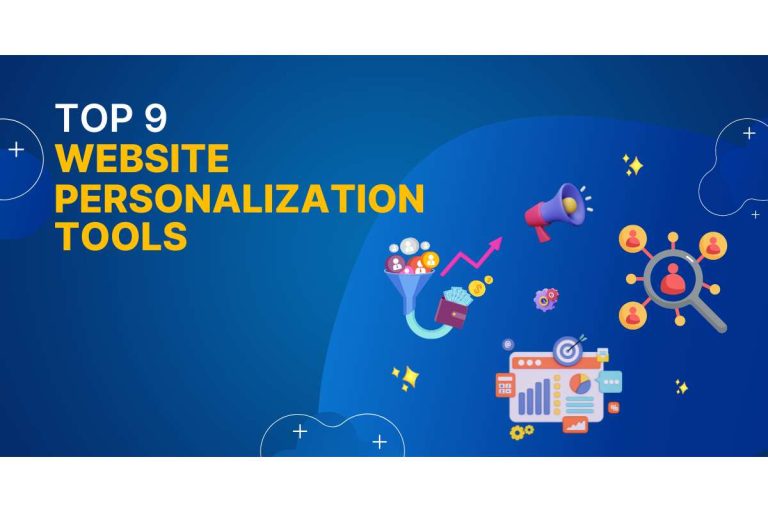
What is Website Personalization? – Definition, Importance, Benefits, and More

Website Personalization Definition

Website personalization is the art of offering a superior, one-on-one custom-made experience to your online visitors when they land on your site. Also, customize the experience based on their past purchases, their geography.

Its behavior in a manner that serves multiple business purposes – higher customer satisfaction, longer visit duration, boosted site visits, lower bounce rate, better conversions, and an improved brand reputation.

And the concept of personalization it remains there for decades now. At the same time, it’s extra prominent in the retail market where you enter a shop.

And the seller readily shows products that suit your needs, the scope of personalization was missing in the online marketplace.

Also realizing its importance, especially in terms of revenue generation and shopping experience, more and more online brands are now exploring its arena.

The better the website personalization experience, the better you can serve your online visitors and help them achieve their goals. It extra leads to a better retention rate and better word of mouth for your brand.

Boost your online presence and increase organic traffic with our top-notch SEO services in Hyderabad. Dominate search engine rankings and get more visibility for your business.

Why is Importance Website Personalization?

  • When companies are competing every minute to grab user attention, personalization serves as a blessing in disguise.
  • And telling online visitors that you care about the interests and preferences while providing them with relevant content/experience can make them stay longer on your site. Even help them take the desired action.
  • And Amazon is a classic example to quote here. One of the world’s leading and most preferred online shopping sites, Amazon’s website personalization efforts aren’t new to us.
  • They infected us to the roots, leaving us spoilt for choices every time we pay a visit. Amazon also notes everything you do on its platform as it browses through the e-commerce giant’s website.
  • And also it jots down all the categories you browse through, the kind of items that interest you, the amount of time you spend shopping for a particular product, and much more.
  • Using such insights further personalizes your experience every time you land on its site and compels you to consider purchasing a product despite your current buying needs.

What are the Benefits of Website Personalization?

  • When it enters the departmental store, we were greeted with dedicated aisles stacking dozens over dozens of items
  • Where all you needed was a 100-gram stick of your favorite butter.
  • And also to get the butter section, it also navigates way through various aisles, reading through the section boards.
  • And which is typically time-consuming, sometimes even frustrating, making my overall buying experience relatively low.
  • If the dedicated staff member greets you by your name, knows your favorite butter brand.
  • And even the fact that you typically come to the store every Tuesday for your weekly ritual of buying butter and other related grocery items, and takes you directly to the butter section?
  • Also personalization is the key ingredient to enhance the user experience. The better you address the needs and wants of your users. The higher are their chances of entering your conversion funnel and turning into loyal customers.

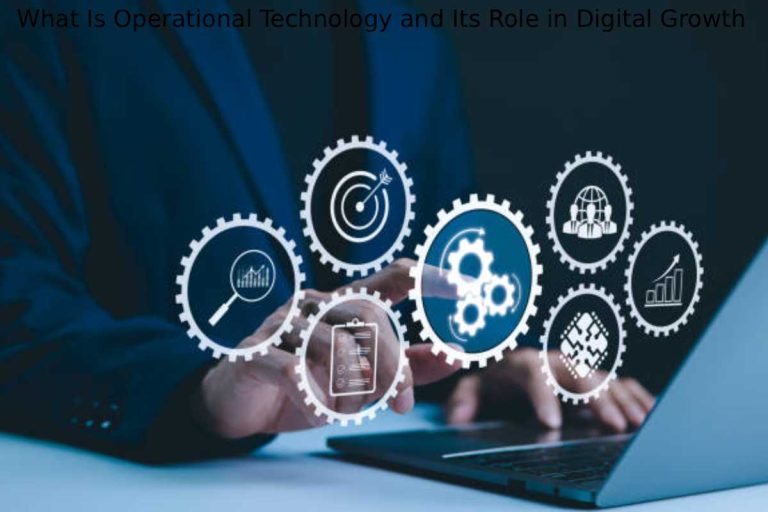
What Is Operational Technology and Its Role in Digital Growth

Introduction

Digital transformation is reshaping industries at an unprecedented pace. Organizations are adopting smarter tools and connected technologies from manufacturing plants to hospitals and transportation systems to enhance efficiency and deliver better services.

At the heart of this shift lies Operational Technology (OT). Once confined to isolated industrial environments, OT is deeply integrated with digital systems. This integration is helping businesses move toward more connected, data-driven, and automated operations. However, it also brings new challenges that require careful planning and strong security measures.

By bridging the physical and digital worlds, OT is no longer just about keeping machines running-it is about enabling innovation and driving sustainable growth.

Defining Operational Technology (OT)

Operational Technology refers to the hardware and software systems that monitor and control physical devices, processes, and infrastructure. Unlike IT (Information Technology), which focuses on managing data, communication, and business applications, OT is concerned with running the equipment that powers industries.

For non-technical readers, OT can be considered the backbone of industrial operations. It ensures factory machines produce goods, energy grids keep the lights on, and medical devices function safely.

The main difference between OT and IT is their purpose: IT secures and processes digital data, while OT ensures physical processes operate efficiently and safely.

Examples of OT systems include:

  • SCADA (Supervisory Control and Data Acquisition): Used to control and monitor industrial processes. 
  • ICS (Industrial Control Systems): Manage critical operations in manufacturing and energy. 
  • PLCs (Programmable Logic Controllers): Control machinery on assembly lines. 
  • DCS (Distributed Control Systems): Oversee processes in power plants and chemical production.

Understanding what is operational technology and how it works is critical to realizing its role in digital transformation. OT systems gather real-time data, analyze it, and issue commands that directly influence physical systems’ performance. You can explore more on this.

The Evolution of OT in the Digital Era

Traditionally, OT systems were isolated and hardware-based, designed to operate with minimal connectivity to external networks. This made them relatively secure but also limited in flexibility.

The digital era has changed that landscape dramatically. As industries embraced smart manufacturing, IoT (Internet of Things), and automation, OT systems became more interconnected with IT networks. This convergence has enabled real-time data analysis, remote monitoring, and improved decision-making, but has also introduced new cyber risks.

The Industrial Internet of Things (IIoT) has transformed OT from a closed environment into an essential part of enterprise digital strategies.

Key Components of Operational Technology

Several building blocks form the foundation of OT:

  • Sensors and Actuators: Devices that capture data (temperature, pressure, motion) and control physical operations. 
  • Control Systems: Platforms like SCADA, ICS, and PLCs that manage industrial activities. 
  • Human-Machine Interfaces (HMIs) allow operators to interact with machines. 
  • Network Connectivity and Cloud Integration: Modern OT systems increasingly rely on cloud and networking to improve scalability and monitoring.

These components work together to ensure physical processes remain safe, efficient, and optimized.

Role of OT in Driving Digital Growth

Operational Technology is a critical driver of digital growth in enterprises. It enables:

  • Productivity and Efficiency: Automated processes reduce manual intervention, minimizing errors and increasing output. 
  • Real-Time Data Collection: Businesses can monitor operations continuously and make informed decisions. 
  • Predictive Maintenance: By analyzing data from connected devices, companies can anticipate failures before they happen, reducing downtime. 
  • Support for Industry 4.0: OT provides the foundation for smart factories and advanced industrial automation.

OT has become a cornerstone for many organizations in balancing efficiency, safety, and innovation.

OT in Different Sectors

OT is used across multiple industries, shaping how they operate and innovate:

  • Manufacturing: Robotics, sensors, and automated assembly lines rely on OT for efficiency. 
  • Energy and Utilities: Smart grids and power distribution systems depend on OT for stability and safety. 
  • Healthcare: Connected medical equipment ensures better diagnostics and patient care. 
  • Transportation: Intelligent traffic systems and logistics operations use OT for real-time tracking and control.

These sectors demonstrate how OT extends beyond factories to every part of modern society.

Security Challenges in OT Environments

While OT delivers immense value, it also comes with vulnerabilities:

  • Legacy Systems: Many OT devices were not built with cybersecurity in mind and still run outdated software. 
  • Convergence with IT: Integrating OT with IT systems widens the attack surface for hackers. 
  • Real-World Risks: Ransomware, insider threats, and supply chain vulnerabilities have already targeted critical infrastructure.

The Colonial Pipeline attack and other incidents underscore the consequences of unsecured OT. According to ENISA, the European Union cybersecurity agency, OT environments require stronger protection strategies as industries digitize.

Best Practices for Securing Operational Technology

Enterprises must adopt comprehensive security strategies to safeguard OT:

  • Zero Trust Models: Every device and user must be verified before accessing the network. 
  • Network Segmentation: Separating OT and IT systems reduces risk exposure. 
  • Regular Patching: Applying updates and using virtual patching for legacy systems. 
  • Continuous Monitoring: Using anomaly detection tools and AI-driven analytics to spot unusual activity.

These best practices align with NIST cybersecurity guidelines, emphasizing layered defense for critical infrastructure.

Benefits of Integrating OT With Digital Transformation

When organizations integrate OT effectively, they unlock a range of advantages:

  • Agility and Scalability: Businesses can adapt faster to market changes. 
  • Cost Savings: Automation reduces labor and operational inefficiencies. 
  • Customer Experience: Smarter services and reliable operations improve satisfaction. 
  • Data-Driven Insights: Real-time analytics drive innovation and competitive advantage. 

A report by McKinsey & Company highlights that industrial companies adopting OT-enabled digital strategies can reduce operating costs by 10-20%.

Future of OT in the Digital Economy

Looking ahead, OT will play an even larger role in shaping digital economies:

  • AI and Machine Learning: Enabling autonomous operations and advanced decision-making. 
  • Blockchain Security: Providing secure device authentication and supply chain integrity. 
  • 5G Connectivity: Supporting real-time OT applications with higher speed and reliability. 
  • Global Collaboration: Greater standardization and cooperation to ensure interoperability and security across industries.

OT is not only about current operations-it is about future-proofing industries for growth and resilience.

Conclusion

Operational technology is no longer just about controlling machines. It has become a strategic enabler for businesses worldwide, helping them innovate, grow, and adapt to digital challenges.

However, its growing role also demands strong security frameworks. Without proper safeguards, OT could become the weakest link in digital transformation. By combining robust security practices with innovation, businesses can fully unlock the potential of OT as a driver of sustainable growth.

FAQs

  1. How is OT different from IT in terms of purpose and function?

OT manages physical processes like machinery and utilities, while IT focuses on digital systems, communication, and data.

  1. Why is OT security important in modern industries?

Because OT systems control critical infrastructure, a breach could cause major financial loss, operational disruption, or even physical harm.

  1. What role will AI play in the future of OT systems?

AI will enhance predictive maintenance, enable autonomous operations, and improve real-time security monitoring for OT environments.

Is It Smart To Invest In PKT Cash Crypto?

0

PKT Cash Crypto – When you approach investing, it’s wise to make the decision based on facts rather than excitement and hype. At the moment, there’s a lot of talk about crypto, which might mess with your emotions and tickle your greed.

The market for that niche is extremely volatile, and it’s important to only invest a sum that you can afford to lose. There have been hundreds of scams in the last year, which make it even more dangerous for newbies. Click on this link to learn more.

Before you do anything, try looking at the niche and checking the best exchanges, DEXs, and projects to create a stable portfolio. Major institutions such as the Bank of England have proclaimed that those who hold cryptocurrencies should be prepared to lose all of their funds if their projects don’t succeed.

What are the Risks?

Governments and financial agencies have all issued warnings about cryptocurrencies. Of course, that’s in their nature, and the nature of crypto is to be against these sorts of establishments. However, whenever some story like this makes the news, there are a lot of bullish investors who rush in without considering any of the consequences of their actions.

First of all, there’s volatility. Unlike bonds, the markets in crypto are like a double-edged sword. You could make a large profit, but you could also lose everything. This is especially true about projects that seem too good to be true. Those are usually false claims where the potential gains downplay the hazards. Follow this page to find out more https://www.business-standard.com/article/economy-policy/centre-may-seek-crypto-log-on-transactions-from-banks-exchanges.

As soon as you make a transaction on the blockchain, there’s no going back. When the funds go into another person’s address, even if it was a mistake, they’re not obliged to send them back. That’s why you need to be extra careful whenever you’re sending Bitcoin, PKT Cash, or any other currency through a network.

In some cases, when an exchange goes out of business or bankrupt, they’re not obliged to give you the funds they’ve stored in their wallets. However, in the last year, there have been plenty of insurance agencies that have started working closely with these exchanges to make sure that your assets are secured.

However, that’s not the case for decentralized exchanges such as Uniswap or Pancakeswap. These websites are algorithms, which means that there’s no one pushing buttons in an office. Everything happens automatically, and if you make a mistake, it’s all on you.

What are the Benefits?

PKT Cash Crypto

Whenever there’s a lot of talk about an asset, it usually means that it’s a good asset. Last year, the price of a single Bitcoin exceeded the price of a kilogram of gold. That was a major move for cryptocurrencies since the market cap reached two trillion.

Those numbers will increase since there’s a lot more room to grow when institutional investors start entering the branch. Coinbase is a company that went public and received a valuation of more than 100 billion dollars, which is the highest in history.

Also, there are new cryptocurrencies such as PKT Cash that are entering the market and get introduced on a regular basis. You can visit the PKT Pal home page to find out more. Some of the newer protocols are designed as layers on previous projects, which makes them better and faster than the underlying cryptocurrencies.

Additionally, there are stable coins that aim to represent the digital dollar by having a fixed inventory of paper currencies in their safes. Soon enough, there are going to be new sorts of decentralized financial applications which will be faster and better than the current ones. Since there’s so much competition, it’s important to take a hard look at each and every project before buying in.

How is PKT Cash Crypto Going to Evolve?

It’s hard to imagine a future without the internet, which is why PKT Cash is going to thrive. The project aims to replace current internet providers with something that’s completely decentralized and owned by people.

The more users it has, the more robust the network is going to be, and it’s also going to be immune to censorship. It has a real use case, compared to projects that get created as a joke. Whenever you decide to buy an asset, it’s wise to look at the roadmap and see what the team has planned for the future.

Solving the Challenge of High-Stress Thin Films

Mechanical stress can be present in coated optical components and be responsible for degraded performance or physical failure as a function of environmental conditions such as temperature excursions. Stress effects are of high concern for coating optics that cycle to and operate at cryogenic temperatures, a requirement for many IR systems.

Left unmanaged, stress in thin films can degrade optical function, cause delamination, and shorten device lifespan in exactly the environments where sensors need to perform most. Understanding stress causes and how to control them is important for specifying, manufacturing, and operating a precision coating system.

Origins of Mechanical Stress in Thin Films

Total accumulated stress magnitude results from a complex interrelation of film composition, deposited layer growth structure, thermal expansion coefficients, and substrate adhesion forces, as well as externally applied forces. Researchers differentiate between intrinsic and extrinsic strains that produce stress.

Intrinsic stresses are caused by internal strains within the film layer that result from non-amorphous structure, such as columnar and void micro-structure. Different layer materials in a multi-layer design will have different magnitudes and directions of strain. Compressive and tensive stress can be presented by different materials in a multi-layer. The total stress contributed is proportional to the layer thickness and thus to total coating physical thickness.

Extrinsic stress is imposed by thermal expansion differences between layer materials and the substrate material. External conditions, such as temperature excursions, especially to low temperatures, cause high strains. Temperature departures from the deposition temperature can result in cracking, delamination, and threaten adhesion.

Mechanical Stress

Both types create problems. Compressive stress can cause film buckling. Tensile stress beyond a critical threshold leads to cracking or delamination. For thermal imaging applications, even minor delamination or micro-cracking can scatter infrared radiation and destroy detector performance. The coating designer will attempt to balance compressive and tensive stress to minimize total accumulated stress. The approach will consider coating design, layer materials, substrate composition and deposition process.

Why Thermal Imaging Sensors Are Particularly Vulnerable

​Semiconductor thermal imaging sensors often require cooling to LN2 or lower temperatures. The associated filters and AR coatings are also cooled. Even uncooled microbolometers that have extremely thin, mechanically fragile membranes are subject to stress-induced damage. These membranes must be thermally isolated to detect subtle infrared signals. The challenge is that the films deposited on these membranes, including sensing layers like vanadium oxide and absorber stacks, are highly sensitive to the effects of residual stress.

Stress becomes even more critical when sensors are deployed in aerospace and defense environments. Temperature swings between ground and altitude, combined with vibration and shock loading, apply cyclic mechanical demands to coated assemblies. A film may survive lab qualification but still fail in the field if engineers did not properly manage its stress state during deposition.

Key failure modes linked to film stress in thermal imaging applications include:

Crazing and microcracking of the coating resulting in scatter and altered spectral properties

Catastrophic delamination at interlayer and substrate interfaces, particularly on germanium (Ge) or zinc selenide (ZnSe) optics, where adhesion is already weak

Optic Deformation changes the optical performance

Deposition Process Variables That Drive Stress

Deposition process parameters, such material kinetic energy, ion assist energy, deposition rate, partial pressures, and substrate temperature have large influences on film stress generation because they determine micro-structure and composition of the deposited layer. These variables interact. A small change in one can shift a film from tensile to compressive, or vice versa.

Ion-assisted deposition is one of the most effective tools for controlling stress. When energetic ions bombard the growing film, they transfer kinetic energy to adatoms. This additional energy allows atoms to settle into denser, more stable configurations. Low ion energies, approximately 100 eV or less, tensile stress in vapor-deposited metal films can be reduced without driving the film toward problematic compression.

Plasma-assisted processes offer a related mechanism. High-density plasma sources increase adatom mobility energy without requiring elevated substrate temperatures. This matters for heat-sensitive substrates. Plasma Assisted Deposition (PAD) decreases internal film stress. It also improves adhesion and film density, compared to conventional electron beam evaporation alone.

Process variables worth monitoring and controlling for stress management include:

Ion energy and ion-to-atom arrival ratio during ion-assisted evaporation or IBS processes

Substrate temperature maximum and uniformity across the fixture during deposition

Deposition rate, which affects adatom diffusion time and packing density

Working pressure for sputter-based processes, since higher pressures increase the mean free path and reduce ion energy at the substrate, stress can be modified.

Matching the Process to the Sensor Substrate

Substrate selection drives much of the stress management strategy. Germanium, silicon, ZnS, and ZnSe all have distinct coefficients of thermal expansion and surface chemistry. Often, a binding or adhesion layer must be added between the substrate and the functional film stack to counteract interfacial stress and prevent delamination.

For temperature-sensitive substrates, including polymer optics and certain focal plane array assemblies, low-temperature deposition methods are a requirement rather than an option. Cold plasma approaches enable film formation at temperatures below 100°C. This removes the thermal mismatch stress that would otherwise develop when a hot film cools against a polymer substrate with a very different (high) thermal expansion coefficient.

Chamber design also plays a critical role. Fixturing geometry, substrate rotation strategy, and radiative heat management all affect how uniformly temperature distributes across the part during deposition. Non-uniform heating creates non-uniform stress gradients that are difficult to predict and difficult to correct after the fact.

Build It Right from the Start

If your process relies on thin films for temperature-challenging environments, thermal IR imaging sensors, engineers cannot treat stress management as an afterthought. They need to engineer it into the system from day one. In addition to coating stress management at the design stage, a deposition platform with process control of ion energy, plasma density, rate, pressure, and substrate temperature is essential.

Tecport Optics designs vacuum coating systems with exactly this kind of process control. Our Plasma Assisted Deposition systems and ion-assisted capabilities target the specific process variables that govern film stress. We work with your substrate materials, layer architecture, and production targets to configure a system that delivers repeatable, low-stress films from the first production run.

Reach out to our engineering team to discuss how we can support your thermal imaging coating requirements.

What is the Infographic? – Definition, four questions creates an infographic

0

Infographic – Definition

Infographic gets traction and contains valuable data, refers to the stats in their content.

And shares infographics on social media. But, inbound links and shares don’t always generate actual business value.

It also infographics reach the right audience and make the audience take the right actions.

By considering these five questions, it creates an infographic that has a purpose.

1. What Outcome Proves That The Infographic Was Useful?

Avoid spending the time and money creating infographics for vague goals like thought leadership.

And better goals include measurable outcomes like generating a specific number of leads, turning a certain percentage of current charges into buyers, and improving search ranking placements.

Also, look beyond the number of shares and new followers that get. Unless influencers share the infographic and new followers become valuable leads, shares and likes won’t justify your infographic investment.

And instead, create an infographic geared toward a specific and measurable goal.

2. Who Needs to See The Infographic?

The target audience includes people who might purchase the product” and “people who influence the people who might buy the product.

And target the audience is also broad. The ideal audience consists of people who want to buy the product — from a company just like yours.

Also, identify what company is better than anyone else and what offer other businesses do not. Then, ask yourself which kinds of buyers (and people who influence potential buyers).

It appreciates the company’s unique selling proposition. Generate two and three personas of people who respond to the infographic.

And remember that response means more than a social share. It means executing your ideal outcome. For more related articles visit our website

3. What Does the Audience Need to Learn?

  • The audience needs to learn something that motivates them to carry out the goals. A useful infographic meets the following learning needs for the audience:

1. To synthesize complex data

Some data tell the story, and the audience needs to understand that story. Once it revealed the report. And the audience is complete see the need to buy.

2. To understand the trend

The audience’s industry is changing, and the infographic explains how. Then, it ends by demonstrating how the company helps them meet new challenges.

3. To visualize the process

The audience wants to accomplish something, but they are not getting it done. An infographic explains why and how the company can make a difference.

Once it identified a purpose that summarizes in a single sentence, find the hero statistic — the statistic that grabs the attention. Then, arrange the other stats beneath it and around it to construct a coherent narrative.

4. How the Audience Interact With The Infographic?

As we design the infographic, think about how the target audience will find it (or receive it) and what the audience will do once they have it. If we want the infographic to lead to other content pieces, include hyperlinks to those assets.

Alternatively, if we want the audience to email to share it within a social networks, consider the preview snippet, file size, and whether it’s best to embed it or link to it. And always consider your call to action before finalizing the design and distribution method.

If we want to generate leads, offer a chance to download the infographic from a landing page. For lead nurturing, it includes the call to action connecting the recipient to the sales team.

Is It Efficient To Hire A Dedicated Development Team If I Have A Small Startup?

0

Hire a Development Team-

Wondering if hire a dedicated development team is efficient for a startup? Go through a guide to learning the benefits of working. Small, medium and large companies face the same challenge: making cutting-edge products or applications their customers love to utilize and get hooked. A dedicated system is needed to develop top-notch digital goods or apps, such as an IT setup, dependable delivery centers, a dedicated software development team, and many others.

There are various choices available to deal with such complex problems. A dedicated development team is one of them. If you want to supplement your existing software development team or your core business is not technology, you may want to outsource not only for financial reasons but for several other reasons as well.

One of the best techniques to fulfill your particular requirements is building a dedicated team of developers. Most organizations hire expert developers from an external agency because they acquire stellar quality results without the nuisances of in-house recruitments. It reduces workload and saves money.

Why Hire a Development Team Dedicated for a Startup is Beneficial?

Why Hire a Development Team Dedicated for a Startup is Beneficial?

Read on to learn why employing a dedicated development team for a start is efficient.

  • No Hardware Or Software Needed

Generally, when developing software, an organization will need to invest a significant amount in preparing offices, collecting digital resources, and recruiting the best team.

This can entail major investments such as office spaces and buying the right software to work with.

Nevertheless, you won’t incur these extra expenditures when employing a dedicated team. They already have their office spaces prepared, and their resources are already set up. You will be only paying for their expertise and labor.

  • Transparent Communication And Management

A dedicated team is identical to internal staff working in a separate workplace. You directly manage your crew and set the most convenient communication frequency for you.

Nowadays, different types of communication channels provide exceptional opportunities for effective collaboration and transparency.

These tools permit the teams to keep customers cognizant of their actions. Also, you are aware of where the project is on the progress scale.

You are in charge of the squad; you set the deadlines, work schedules, and all other project delivery aspects.

You can also hire a dedicated project manager who will manage the team and ensure everything goes smoothly.

  • Faster Development

Working with specialized developers means acquiring tangible outcomes faster. Expert developers are familiar with what to do to get your project going and deliver outstanding results.

They don’t waste time and begin working as soon as you approve the team arrangement.

Partnering with a trustworthy vendor, you can count on recruiting an entire team of experts who can deliver remarkable results.

With the correct skill set, experience, and appropriate equipment, developers can work faster without sacrificing the final product’s quality.

  • Concentrate On Your Business

Concentrate On Your Business

When you appoint a dedicated software development team, you evade the hazard of developing products on your own.

This will permit you to focus on the other vital aspects of your company, such as finance, operations, promotions, and branding.

  • Proactive Support

You may obtain improved performance and almost no downtime when you appoint a dedicated development crew.

The squad can foresee problems and offer solutions to keep your system running and difficulties at bay.

You may also need help with search engine optimization, content management, and more.

After hiring a specialized team, you can get excellent guidance if you need it during or after the project development process.

  • Cost-Effective

Another major advantage of employing a dedicated software development team is that it is very cost-effective.

You won’t have to worry about opening a new office with a dedicated crew. So, you can save a considerable amount on workspace expenses, hiring expenditures, training, and much more.

When you employ a team of developers, you pay them just once and save in the long run.

FAQs

1. What Is A Dedicated Software Hire a Development Team?


A dedicated team devotes all of its time and energy to the client and the one particular project for which it was hired.

The company approaches an external software development agency with a request for a squad of project managers, IT professionals, QA engineers, designers, and developers to work on a project.

The agency put together a crew of experienced professionals who are devoted to their client’s project alone.

The firm employing this team can pick suitable aspirants from a list of available profiles and allocate each of them complete projects or certain tasks.

The dedicated team model is ideal for mid and long-term projects with flexible goals and scope.

Until the project is finished, the dedicated team incorporates impeccably into the client’s business.

The client may manage the team the same way they would their internal team, with the exception that they don’t have to bother about administrative support, hiring, or the linked expenses.

2. How To Acquire Remarkable Results From A Dedicated Hire a Development Team?

It is the team’s responsibility to deliver great results. But if things don’t turn out as anticipated, it can harm your business and theirs.

Follow these tips to guarantee that does not happen and you procure the best results.

  • Foster a strong relationship with your team.
  • Get regular updates to ensure the whole team is on the same page and the project stays on track.
  • Celebrate project milestones and appreciate a task done perfectly.
  • Engage with your crew on a personal level by providing them opportunities to relax. You can arrange a team dinner or a trip to celebrate a milestone.
  • If you are in it for a prolonged period, meet them personally at some point. You can invite them to your office for a small project or visit their office.

Conclusion

So, you now know how effective hiring a dedicated team is. By choosing this model, you can save time and money and grow your business. Moreover, you also get the crew under your complete control, just as with an internal team.

Also Read: How to Redeem Codes on Free Fire – regatta Código’s do ff