













Home Blog Page 6

Featured Categories

TPBackOfficeApp 1.TeleperformanceDIBS.com: Complete Login Guide (2026)

0

In big Customer Experience companies thousands of employees and processes are coordinated daily using an central digital service. Teleperformance utilizes many internal applications in order to increase productivity, ease workflows and support their employees. A number of these are:

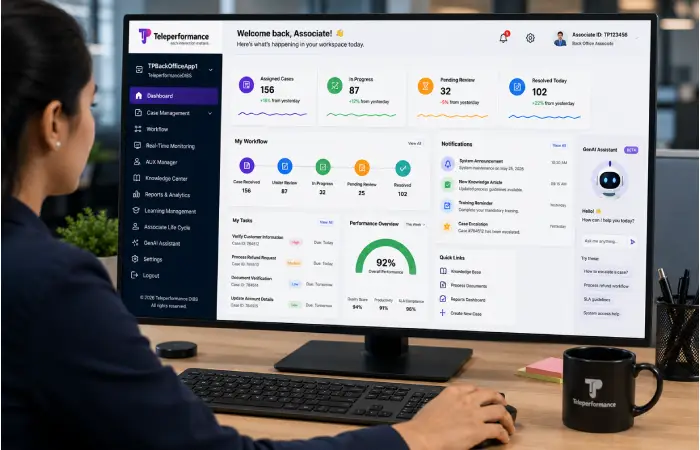
One of them TPBackOfficeApp1 TeleperformanceDIBS, is an internal login website that enables employees to access TP configuration tool. The website is solely intended to be used by authorized employees of Teleperformance. It gathers various tools needed for operating processes on one dashboard- it may be case handling, monitoring results, accessing know-how or automating daily routines.

In this guide we will explain what TPBackOfficeApp1 TeleperformanceDIBS is, what are the main options/tools it offers, how one may log in, benefits and security aspect of usage, and possible issues.

What Is TPBackOfficeApp1 TeleperformanceDIBS?
tpbackoffice-workflow-management

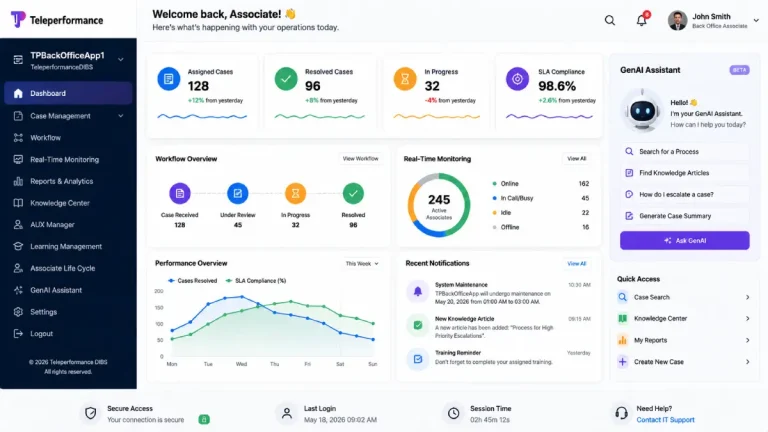
TPBackOfficeApp1 Teleperformance DIBS is an internal web portal used by Teleperformance employees to access the TP Configuration Tool Instead of having different apps for multiple functions, employees have one login, but it is a workplace hub they use for all back-office processes.

The access is for authorized Teleperformance staff only as it requires them to have a secure login to access it.

“The aim is for Teleperformance employees to easily perform and navigate their every tasks through the combination of workflow management, employee cycle process, reporting, and artificial intelligence support.

Purpose of the TP Configuration Tool

The TP Configuration Tool is designed to improve operational efficiency by automating repetitive tasks and providing employees with quick access to essential resources.

Its primary objectives include:

  • Managing back-office operations
  • Automating workflow processes
  • Assigning and tracking cases
  • Monitoring employee performance
  • Supporting quality assurance
  • Providing AI-powered assistance
  • Centralizing company knowledge
  • Managing employee lifecycle activities

This unified approach helps reduce manual work while improving collaboration across teams.

Key Features of TPBackOfficeApp1 TeleperformanceDIBS
teleperformance-ai-productivity-tools

1. Centralized Case Management

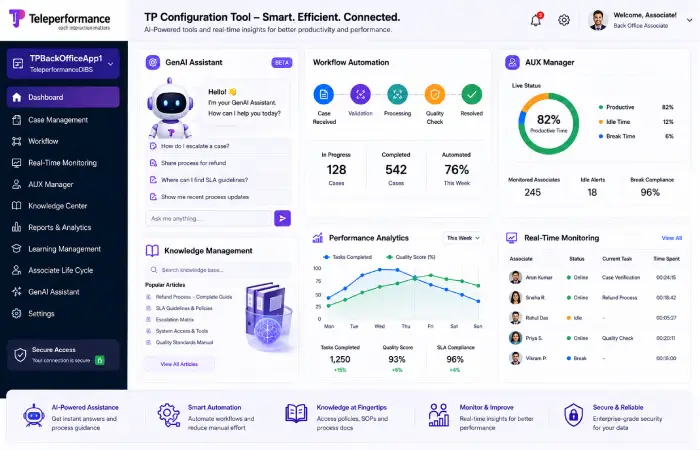
Employees can receive, process, update, and monitor assigned cases from a single dashboard. Managers can also track the status of ongoing tasks in real time, ensuring smooth workflow management.

Benefits

  • Faster task allocation
  • Better visibility into workloads
  • Reduced manual tracking
  • Improved operational efficiency

2. Workflow Automation

One of the platform’s strongest capabilities is workflow automation. Routine operational processes can be configured to move automatically between different stages, reducing delays and minimizing manual intervention.

Automation helps organizations:

  • Improve consistency
  • Reduce human error
  • Speed up approvals
  • Increase productivity

3. Real-Time Team Monitoring

Supervisors can monitor team performance through live dashboards that display operational metrics such as task completion, workload distribution, and employee activity.

Real-time insights allow managers to identify bottlenecks and provide immediate support where needed.

4. Associate Lifecycle Management

The platform supports various stages of an employee’s journey within the organization, including:

  • Onboarding
  • Role updates
  • Performance tracking
  • Training support
  • Internal transfers
  • Process management

This centralized lifecycle management improves administrative efficiency while maintaining accurate employee records.

5. GenAI Chatbot

One of the modern features available within the TP Configuration Tool is the GenAI chatbot.

The chatbot assists employees by providing:

  • Instant answers to operational questions
  • Process guidance
  • Knowledge retrieval
  • Policy information
  • Quick navigation support

Instead of manually searching documentation, employees can receive relevant information within seconds, helping them resolve queries more efficiently.

6. AUX Manager

The AUX Manager helps monitor employee availability and idle time during working hours.

Its primary functions include:

  • Idle time tracking
  • Break monitoring
  • Activity management
  • Workforce utilization analysis
  • Productivity reporting

These insights help managers optimize team performance while ensuring operational standards are maintained.

7. Knowledge Retrieval

Employees often need quick access to process documentation, standard operating procedures, and internal guidelines.

The platform includes a centralized knowledge repository where users can search for:

  • Process documents
  • Company policies
  • Training materials
  • Frequently asked questions
  • Operational guidelines

This reduces the time spent searching across multiple systems.

8. Reporting and Analytics

Managers can generate detailed reports covering operational performance, employee productivity, workflow completion, and quality metrics.

Typical reporting features include:

Report Type Purpose
Productivity Reports Measure employee output
Workflow Reports Track case progress
Performance Reports Evaluate team efficiency
Quality Reports Monitor compliance
Activity Reports Review operational trends

These reports support informed decision-making and continuous process improvement.

How TPBackOfficeApp1 Improves Business Operations

The platform contributes to operational excellence in several ways:

  • Reduces manual administrative work
  • Accelerates workflow completion
  • Enhances collaboration across teams
  • Improves visibility into ongoing operations
  • Supports faster decision-making
  • Provides centralized access to resources
  • Enables AI-assisted knowledge management

By combining multiple functions into a single interface, employees spend less time switching between applications and more time completing productive work.

Login Process

Authorized users can typically access the portal by following these steps:

  1. Open the official TPBackOfficeApp1 Teleperformance login page.
  2. Enter your assigned employee username.
  3. Enter your secure password.
  4. Complete any required verification steps.
  5. Click Sign In.
  6. Access your personalized dashboard after successful authentication.

Only users with valid organizational credentials can access the platform.

Common Login Issues

Users may occasionally encounter login problems.

Incorrect Username or Password

Double-check your login credentials before attempting again.

Forgotten Password

Use the available password recovery option or contact your organization’s IT support team for assistance.

Browser Compatibility Issues

Ensure you’re using an updated web browser and clear your browser cache if the portal fails to load properly.

Network Restrictions

Some Teleperformance systems may only be accessible through the organization’s internal network or approved remote access solutions.

Security Features

Since TPBackOfficeApp1 contains internal operational information, security plays a critical role.

The platform typically includes features such as:

  • Secure employee authentication
  • Password protection
  • Access control based on user roles
  • Encrypted communication
  • Session timeout
  • Audit logging
  • Account monitoring

Employees should never share their login credentials and should always sign out after completing their work.

Best Practices for Employees

To make the most of the TP Configuration Tool:

  • Keep your password secure.
  • Use strong authentication credentials.
  • Follow organizational security policies.
  • Regularly update your password if required.
  • Log out after every session.
  • Report suspicious account activity immediately.
  • Stay updated with internal process documentation.

Frequently Asked Questions

What is TPBackOfficeApp1 TeleperformanceDIBS?

It is an internal Teleperformance login portal that provides authorized employees with access to the TP Configuration Tool for managing back-office operations, workflows, and employee-related processes.

Who can access the platform?

Only authorized Teleperformance employees and approved users with valid login credentials can access the system.

What is the GenAI chatbot used for?

The GenAI chatbot helps employees retrieve knowledge, understand internal processes, answer operational questions, and improve productivity through AI-powered assistance.

What does the AUX Manager do?

The AUX Manager tracks employee availability, idle time, and activity to support workforce management and operational efficiency.

Can I access the portal from home?

Access availability depends on your organization’s security policies and remote access permissions. Some services may require VPN or corporate network authentication.

What should I do if I can’t log in?

Verify your credentials, reset your password if necessary, or contact your organization’s IT support team for assistance.

Conclusion

TPBackOfficeApp1 TeleperformanceDIBS serves as a centralized gateway to the TP Configuration Tool, enabling Teleperformance employees to manage back-office operations more efficiently. With features such as centralized case management, workflow automation, real-time team monitoring, associate lifecycle management, GenAI-powered assistance, AUX Manager, and knowledge retrieval, the platform supports productivity, collaboration, and operational excellence.

For authorized employees, it provides a secure and streamlined workspace that simplifies everyday tasks while helping organizations maintain consistent service quality and efficient workforce management.

Liste des Marques RezoActif.com: Complete Guide to Brands Available in 2026

Finding reliable information about brands online can be challenging. Whether you’re researching a company, comparing competitors, or simply looking for inspiration, having access to a structured brand directory saves time.

One platform gaining attention is RezoActif.com. While primarily known for its SEO and digital marketing services, RezoActif also provides an organized directory of brands across multiple industries. Various independent analyses describe it as a resource for market research, competitor analysis, and brand discovery.

This guide explains everything you need to know about the Liste des Marques RezoActif.com, including how the directory works, its categories, benefits, limitations, and how businesses can use it effectively.

What Is RezoActif?

RezoActif is an online portal aimed towards online marketing related services – SEO, SEA, Marketing, Finance, Tech, and Business Information, however besides these, it contains a structured directory for brands to let people discover, search and compare brands online.

Instead of leaving people confused how to look, how and where to search the brands across the internet, RezoActif have categorized companies based upon the criteria they serve or provide.

Common uses include:

  • Brand discovery
  • Competitor research
  • Industry analysis
  • Marketing inspiration
  • Business networking

What Is the “Liste des Marques RezoActif.com”?

liste-des-marques-rezoactif-com

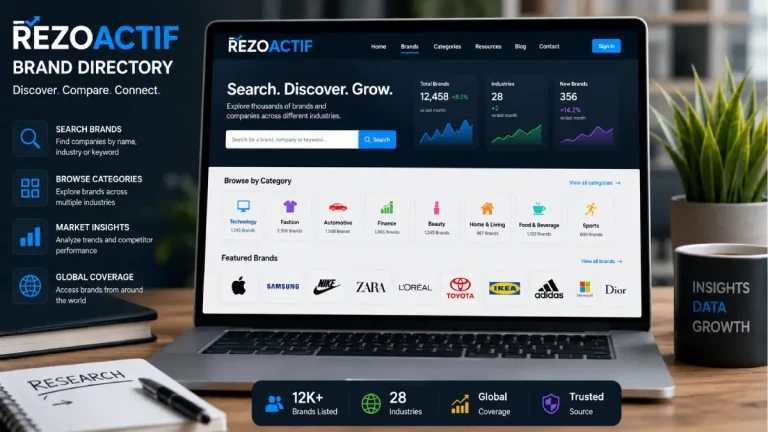
The phrase “Liste des Marques RezoActif.com” simply means the collection of brands indexed within the RezoActif platform.

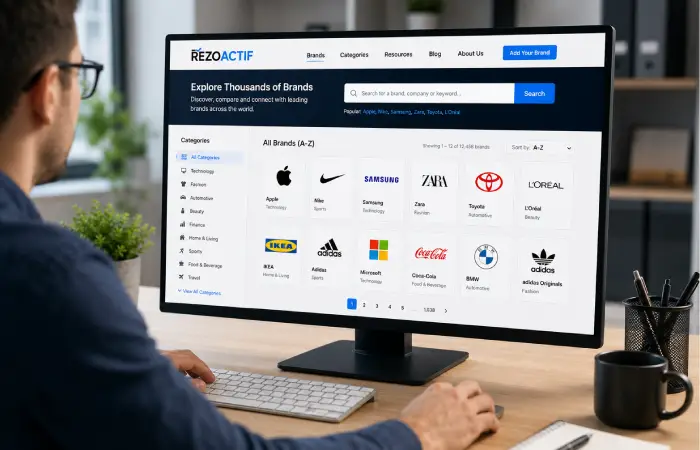
Instead of displaying businesses randomly, the platform generally organizes them using:

  • Alphabetical listings
  • Industry categories
  • Search functionality
  • Individual brand profiles

This structure allows visitors to quickly locate companies without browsing hundreds of unrelated pages.

Why Do People Search for the RezoActif Brand List?

There are several reasons why users look for this directory.

1. Competitor Research

Businesses often want to understand:

  • Who their competitors are
  • Which brands dominate an industry
  • Market positioning
  • Industry leaders

2. Market Analysis

Marketing professionals use directories to study:

  • Industry trends
  • Emerging brands
  • Brand positioning
  • Market opportunities

3. Consumer Research

Consumers may search for:

  • Official companies
  • Trusted brands
  • Product manufacturers
  • Service providers

4. Business Partnerships

Agencies and startups may use directories to identify:

  • Potential clients
  • Business partners
  • Suppliers
  • Distributors

Industries Covered

global-industry-brand-categories

Independent reviews suggest that the RezoActif directory includes brands from a wide variety of industries rather than focusing on just one market.

Some of the major sectors include:

Industry Examples
Technology Apple, IBM, Nvidia, Microsoft
Fashion Zara, Mango, Chanel, Balenciaga
Beauty L’Oréal, Dove, Kérastase
Automotive Toyota, Ford, Kia
Finance Barclays, JP Morgan
Travel EasyJet, Ryanair
Home & Furniture IKEA, Dyson
Sports Nike, Adidas, Jordan

Brand availability may change over time as the directory is updated.

Popular Brands Commonly Found

Although the database changes regularly, several well-known international companies are frequently mentioned in analyses of the directory.

Technology

  • Apple
  • IBM
  • Nvidia
  • Microsoft
  • Kindle
  • Nokia

Fashion

  • Zara
  • Mango
  • Chanel
  • Balenciaga
  • Kookaï
  • Karl Lagerfeld

Beauty

  • Dove
  • L’Oréal
  • Yves Rocher
  • Kiehl’s
  • Kiko Milano

Automotive

  • Ford
  • Toyota
  • Kia
  • Rolls-Royce
  • Renault

Home

  • IKEA
  • Dyson
  • Rowenta
  • Kärcher

Sports

  • Nike
  • Adidas
  • Jordan
  • Rossignol

These examples illustrate the wide range of sectors represented in the directory.

How the Directory Is Organized

One reason users appreciate RezoActif is its simple navigation.

Typical organization includes:

Alphabetical Index

Brands are grouped from A to Z.

Example:

  • A
  • B
  • C
  • D

and so on.

Industry Categories

Companies are also grouped by market sector.

Examples include:

  • Technology
  • Fashion
  • Healthcare
  • Automotive
  • Finance
  • Retail
  • Beauty
  • Food

Search Feature

Users can search by:

  • Brand name
  • Industry
  • Keyword

This makes finding specific businesses much faster than manually browsing.

Benefits of Using RezoActif

Some of the biggest advantages include:

Easy Navigation

Users can locate brands quickly without extensive searching.

Broad Industry Coverage

Multiple sectors are represented in one place.

Research Tool

Useful for:

  • Students
  • Journalists
  • Business owners
  • SEO professionals
  • Marketing agencies

Business Discovery

Users often discover companies they were previously unaware of.

Limitations

Like any online directory, there are a few limitations.

Information May Change

Businesses:

  • rebrand
  • merge
  • close
  • update products

Therefore, users should verify important information using official company websites.

Not Every Brand Is Included

No directory can cover every company worldwide.

Smaller businesses may not appear.

Data Accuracy

While directories aim to remain current, some entries may become outdated before updates occur. Independent sources recommend confirming key business details from official sources.

Who Should Use the RezoActif Brand Directory?

The directory can benefit:

  • Digital marketers
  • SEO specialists
  • Students
  • Researchers
  • Entrepreneurs
  • Business consultants
  • Investors
  • Journalists
  • Consumers

Tips for Getting the Most from RezoActif

To maximize the directory’s value:

  • Search using exact brand names.
  • Explore multiple industry categories.
  • Compare competitors within the same niche.
  • Verify important information through official company websites.
  • Use the directory as a starting point for deeper market research.

Frequently Asked Questions

Is RezoActif free to use?

Many publicly accessible sections can be browsed online, although available features may vary over time.

Does RezoActif only list French brands?

No. Independent analyses indicate that the directory includes both French and international brands across numerous industries.

Can businesses use it for competitor research?

Yes. Many marketers use directories like RezoActif to identify competitors, monitor industries, and discover potential partners.

Are all brands verified?

Users should treat the directory as a research tool and verify important details through official company sources before making business decisions.

Final Thoughts

The Liste des Marques RezoActif.com serves as a practical resource for discovering brands across technology, fashion, beauty, finance, automotive, retail, and many other industries. Its alphabetical organization, industry categorization, and search capabilities make it useful for consumers, researchers, marketers, and business professionals alike.

While the platform can significantly simplify brand discovery, it is always best to cross-check critical information with official company websites, especially when conducting market research or making purchasing decisions. Used alongside other trusted sources, RezoActif can be a valuable starting point for exploring today’s diverse business landscape.

FreeDoor2.4.6.8 PC: What It Means and How to Find the Right Software Safely

0

Did you try looking up freedoor2.4.6.8 pc and have trouble finding information? It is actually quite common to be looking up that combination and having a hard time finding a clear meaning to what you are looking for. Unlike many well-known names of programs and services, that search query currently does not pull any commonly known information or officially cataloged pc or Windows program.

Many confusing search queries like this were initially brought about by combining a version number, program name, download page name or Forum discussion. Sometimes you will find this on a site if there is an incomplete word, like if punctuation is lost when copying text from a page.

When searching this query in the future, it is of more importance to know the likely combinations than be searching for any particular program. The information you should need to find out more about finding valid software before it becomes on your PC is listed below.

What Does “FreeDoor2.4.6.8 PC” Actually Mean?

When users search for unusual keywords like this, there are several possible explanations.

1. A Version Number

Many software developers organize releases using version numbers.

Examples include:

  • 2.4
  • 2.4.6
  • 2.4.6.8

The number itself doesn’t identify the application—it simply tells users which release they’re using.

2. A Mistyped Software Name

Search engines receive millions of incomplete or misspelled searches every day.

For example, users may accidentally:

  • omit spaces,
  • remove punctuation,
  • combine product names,
  • copy filenames instead of application names.

This often creates keywords that don’t directly correspond to a real product.

3. An Internal Build Identifier

Some developers assign build numbers for testing or beta releases.

These identifiers are useful during development but may appear online without enough context, leading users to search for them separately.

Why Version Numbers Matter

Every software update usually includes improvements such as:

  • bug fixes,
  • security patches,
  • compatibility updates,
  • performance enhancements,
  • new features.

Version checking helps protect against a tampered or outdated copy of your software from being installed.

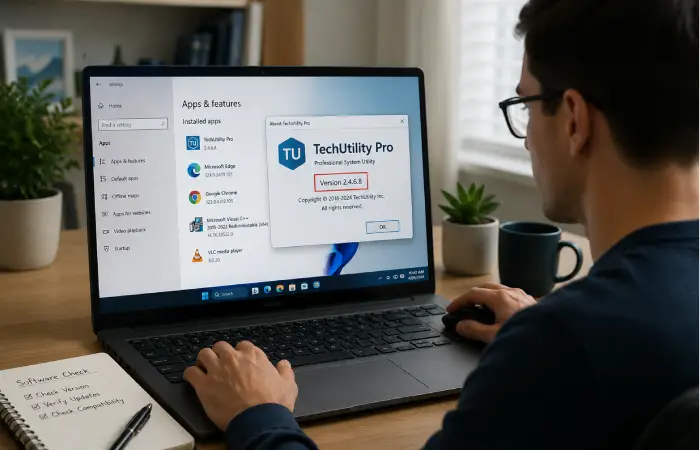
On windows you’ll find the current version typically by either a help option, About menu, properties on the program or by other various ways dependent on the program in question.

How to Download PC Software Safely

freedoor2-4-6-8-pc

When downloading software online and aren’t confident the file is genuine, there are a few safety tips that can help you keep your computer safe.

Download From Official Sources

Always where available use the official developers site. It is easier for you to always get current builds , security updates , as well as official documentation in download.

Avoid Suspicious Download Portals

Third-Party Websites May Bundle Installation Packages Some External Websites may alter installation Packages by including unwanted programs or deception download buttons. These unwanted programs may slow down your computer Orin stall extra Programs.

Verify the File

Before opening any installer:

  • confirm the filename,
  • compare the version number,
  • check the publisher,
  • scan the file with trusted security software.

These simple steps reduce the risk of installing altered or malicious files.

Common Reasons Software Can’t Be Found

Sometimes a search returns very few results because:

  • the product has been renamed,
  • the application has been discontinued,
  • the keyword contains a typo,
  • the software is still in private testing,
  • the version number is being searched without the product name.

You’ll get better results when you add more information, like the developer or the OS (you are likely going to do this more on the Mac, where developers more openly put that information out on their site.

On the Windows Side, the name of the developer is usually enough).

How to Verify Whether a Software Version Is Legitimate

freedoor2-4-6-8-pc-about

Just because a downloaded item shows an address of say, 2.4.6.8 doesn’t mean that the download is legitimate even though they are convincing as far as fake downloader pages are involved.

Below are some basic steps you can use to verify any release before installing.

Check the Publisher

If you are running Windows and downloaded a software installation file you should right-click on the file and choose Properties from the right-click menu. Click on the digital certificates tab on the pop-up and examine the company listed with the signature. While a digital signature doesn’t guarantee that software you installed will not do your computer harm it does guarantee that it hasn’t been tinkered with since being “signed” by a company that put a signature sticker on it.

Compare Version Information

4 If You Already Know Where You Are, Visit the Software’s Official Site If the version displayed on the installer that you’ve downloaded does not match the one on the official Web site of the software, you may have downloaded a corrupt and unofficial one.

Read the Release Notes

Most established software developers publish release notes explaining what’s new in each version. These notes often include:

  • Bug fixes
  • Performance improvements
  • Security updates
  • New features
  • Compatibility changes

If you can’t find release notes anywhere, be cautious before installing the software.

Warning Signs of an Unsafe Download

Cybercriminals often disguise malicious files as free utilities or popular applications. Recognizing the warning signs can save you from malware, ransomware, or unwanted software.

Be cautious if you notice any of the following:

Multiple “Download” Buttons

Some websites display several large download buttons, but only one actually points to the intended file. The others may lead to advertisements or unrelated downloads.

Forced Redirects

If clicking a download link repeatedly opens new tabs or redirects you to unrelated websites, it’s best to leave the page.

Requests to Disable Antivirus

Legitimate software rarely asks users to disable Windows Security or antivirus protection before installation. Treat such requests as a major warning sign.

Unknown File Extensions

Windows applications typically use extensions such as:

  • .exe
  • .msi

Be cautious if a supposed Windows installer arrives in an unexpected format without explanation.

What to Do If You Can’t Find the Software

If your search for freedoor2.4.6.8 pc doesn’t lead to an official website, don’t rush to download the first result.

Instead, try these steps:

Search Without the Version Number

Sometimes the version number limits search results.

Instead of searching:

freedoor2.4.6.8 pc

Try searching for:

  • freedoor pc
  • freedoor software
  • freedoor windows application

This can help you discover whether the version belongs to a larger software project.

Look for the Developer’s Name

Knowing who created the software makes it much easier to locate official documentation, updates, and support resources.

Check User Communities Carefully

Technology forums can provide useful clues about older software, but remember that community discussions may contain outdated or incorrect information. Always verify important details with the developer whenever possible.

Troubleshooting Installation Problems

If you’ve confirmed that the installer is legitimate but it still won’t run, the issue may be related to your system rather than the application.

Common causes include:

Outdated Windows Version

Older Windows installations may lack the updates required by newer applications.

Missing Runtime Components

Some programs rely on additional system components, such as Microsoft Visual C++ Redistributables or the .NET Runtime. If these are missing, the installer may fail or the application may not launch.

Antivirus Interference

Security software may temporarily quarantine unknown applications. Before making changes, verify that the installer is genuine and from a trusted source.

Insufficient Permissions

Some applications require administrator privileges during installation. Running the installer with the appropriate permissions can resolve certain installation issues.

Best Practices for Downloading Free PC Software

Whether you’re looking for utilities, productivity tools, or games, following a consistent download routine helps reduce security risks.

A simple checklist includes:

  • Download only from official publishers whenever possible.
  • Verify the software version before installing.
  • Keep Windows updated.
  • Scan downloaded files with trusted security software.
  • Back up important data regularly.
  • Read user documentation or release notes before updating.

These habits take only a few minutes and can prevent many common problems.

Frequently Asked Questions

Is FreeDoor2.4.6.8 PC a real Windows application?

At the time of writing, there isn’t enough publicly verifiable information to identify FreeDoor2.4.6.8 PC as a recognized Windows application. The search term may represent a version number, an incomplete product name, or a mistyped query.

Can I safely download software from third-party websites?

It’s generally safest to download software directly from the developer or an officially authorized source. Third-party sites may host outdated or modified installers.

Why can’t I find information about this version?

Possible reasons include:

  • The software has been renamed.
  • The version is outdated.
  • The query contains a typo.
  • The version number is being searched without the product name.

How do I check my installed software version?

Most Windows applications display version information under Help > About or Settings > About. You can also review the application’s properties if available.

Should I install software that has very little online information?

If you can’t verify the publisher, documentation, or source of a program, it’s better to avoid installing it until you can confirm its legitimacy.

Conclusion

Because your keyword, freedoor2.4.6.8 pc doesn’t connect to any currently known program it will probably be safest to see it as version number, unfinished web search and probably typed by misconfiguration – i can assume no actual computer program exists with that keyword.

However you’ll also be well advised to see the rest of our Windows Guide. When searching software for Windows check the manufacturer, version, using a reliable origin always. If any new information arises about FreeDoor2.4.6.8 PC in the future I may add verified facts to this file, whilst always providing useful and honest suggestions.

FutureTechGirls Sassy Social: Empowering the Next Generation of Women in Tech

0

The tech industry has changed greatly in recent years. Though practical skills are still paramount, they are not enough. More than ever before, specialists now need to utilize speaking skills, personal branding, and build real relationships online. These communities that include all these factors will become even more critical for women building a path in tech.

One site not getting as much attention that is worth highlighting is FutureTechGirls Sassy Social. The site is a virtual network and digital campaign for women to come together, learn new technology skills, and build confidence, visibility, and business via social media and social technology.

Rather than two isolated elements, women will also work to combine tech and social networking for the advancement of careers. This form for career advancement comes for aspiring developers, students, entrepreneurs, content makers and veteran developers. As with future techs girls and for them in the career’s, the methodology allows students to identify instructors, uncover mentorship partners, and develop with peers around growing tech industries.

FutureTech Girls sassy social will go over what it is and what’s it all about as well as some helpful benefits from the networks with the same industry ladies that women in tech can acquire.

What Is FutureTechGirls Sassy Social?

women-tech-community-networking

Think of Sassy Social by FutureTechGirls as technology education, career coaching, and social learning all wrapped up in a safe space that celebrates women in tech and invites conversation.

What makes it different than the other technical groups out there isn’t simply offering chats, workshops, or resource hubs based on programming languages or engineering feats; instead, it provides a place for both technical exploration and professional growth for members who have the drive, confidence, or support to get their technology-oriented project up for display, throw a new question in the mix or forge connections with tech gurus who care about other individuals thriving!

Today’s technology job market demands strong communication skills; the ability to collaborate with others, strong project management, and visible thought leadership are just as critical as proficiency in java.

Its core objectives include:

  • Encouraging women to explore STEM careers.
  • Promoting lifelong technology learning.
  • Supporting mentorship and peer collaboration.
  • Sharing career opportunities and industry insights.
  • Building confidence through community participation.

Why Communities Like Future Tech Girls Matter

Even with gains for women in tech professions, issues persist for many such as lack of role models, thinner professional networks & mentors.

To contest these challenges communities such as Future Tech Girls, empower young girls with safe & nurturing spaces where:

  • Ask the questions without fear of decision.
  • Learn from experienced professionals.
  • Discover internships and job opportunities.
  • Build portfolios through collaborative projects.
  • Gain the sureness by sharing their work publicly.

Besides career chances, these groups provide a place where you can feel as though you belong. To know others with comparable aspirations, to reach achievements is sure to continue a newcomers’ involvement as well as interest to attain their skills.

Core Features of Future Tech Girls Sassy Social

1. Technology Learning Resources

Members often exchange educational resources covering topics such as:

  • Artificial Intelligence (AI)
  • Machine Learning
  • Cybersecurity
  • Cloud Computing
  • Web Development
  • Mobile App Development
  • Data Science
  • UX/UI Project

The value of participating in community discussions along the process of acquiring formal education It could be also as useful for an individual member to participate to be informed with real life experiences and advice.

2. Professional Networking

Networking leftovers one of the most valuable aspects of any professional community.

Members can:

  • Connect with industry professionals.
  • Find mentors.
  • Meet potential collaborators.
  • Learn about job openings.
  • Participate in virtual events.
  • Join technology discussions.

Building these relationships often leads to career opportunities that may not be publicly advertised.

3. Personal Branding

Technical skills alone are no longer enough in many industries.

FutureTechGirls encourages members to develop a professional online presence by:

  • Sharing projects.
  • Writing educational content.
  • Speaking at virtual events.
  • Publishing tutorials.
  • Showcasing portfolios.
  • Participating in industry conversations.

What can a person do to help build and reinforce a personal brand A good personal brand builds credibility in whatever you do and helps to become the “go to” guy, woman, or specialist.

How Social Media Supports Career Growth

It goes without saying that these networks have transformed themselves into powerful sites where individuals go to gather information, create and engage in communities, connect and network with peers, and enhance their professional image.

Technology specialists increasingly use social platforms to:

  • Publish coding tutorials.
  • Share project updates.
  • Discuss industry news.
  • Build professional relationships.
  • Promote open-source contributions.
  • Connect with recruiters.
  • Join technology communities.

You know that engaging thoughtfully time and again helps make your work known. It can also grow your network in real life, not just in people and page Likes. But as this wisdom suggests quality wins over quantity. Education-focused or engaging updates generally outweigh constant sales content.

Benefits for Students and Early-Career Professionals

That’s why the community experience like Future Tech Girls Sassy Social tends to benefit newcomers and aspiring professionals the most by offering support to get started off on the right foot with a new tech job.

Key benefits include:

  • Exposure to real industry experiences.
  • Learning pathways for different technology fields.
  • Portfolio-building opportunities.
  • Resume and interview tips.
  • Internship recommendations.
  • Career inspiration from experienced professionals.

Instead of navigating the technology industry alone, members can learn from others who have already overcome similar challenges.

How Artificial Intelligence Is Expanding Opportunities

ai-learning-for-women-tech

Artificial intelligence (AI) is transforming nearly every area of technology, and communities like FutureTechGirls Sassy Social help members understand and adapt to these changes. Rather than viewing AI as a replacement for human skills, successful professionals treat it as a productivity tool that enhances creativity, research, and problem-solving.

Some of the most practical AI applications include:

  • Drafting and improving technical documentation.
  • Brainstorming content ideas for blogs and social media.
  • Automating repetitive workflows.
  • Summarizing research papers.
  • Writing and reviewing code.
  • Creating presentations and visual assets.
  • Analyzing datasets more efficiently.

Understanding how to work alongside AI is becoming an essential career skill. Professionals who combine technical knowledge, creativity, and ethical AI use are likely to remain competitive in an evolving job market.

The Power of Mentorship in Technology

Many successful professionals credit mentors for helping them navigate career decisions, technical challenges, and workplace dynamics. FutureTechGirls-style communities encourage mentorship by connecting newcomers with experienced developers, designers, engineers, entrepreneurs, and technology leaders.

A mentor can help you:

  • Choose an appropriate learning path.
  • Review resumes and portfolios.
  • Prepare for technical interviews.
  • Recommend certifications.
  • Introduce you to professional networks.
  • Offer guidance during career transitions.

Mentorship also benefits experienced professionals. Teaching others reinforces technical knowledge while strengthening leadership and communication skills.

Building a Strong Personal Brand

In today’s digital world, your online presence often becomes your first impression. Recruiters, collaborators, and potential clients frequently review online profiles before initiating conversations.

A strong personal brand should reflect your expertise, interests, and professional values.

Optimize Your Professional Profiles

Ensure your profiles include:

  • A professional profile photo.
  • A concise and informative headline.
  • A clear summary of your skills and experience.
  • Links to your portfolio or GitHub.
  • Certifications and notable achievements.
  • Contact information where appropriate.

Consistency across platforms helps establish credibility and makes it easier for others to recognize your work.

Share Valuable Content

Instead of posting only personal updates, consider creating educational content such as:

  • Coding tips.
  • Technology tutorials.
  • Career advice.
  • Industry news summaries.
  • Project case studies.
  • Lessons learned from challenges.

Providing value builds trust over time and positions you as a knowledgeable contributor.

Networking Without Feeling Overwhelmed

Networking is often misunderstood as collecting as many contacts as possible. In reality, meaningful professional relationships matter far more than large follower counts.

Effective networking includes:

  • Joining discussions instead of only observing.
  • Congratulating others on achievements.
  • Asking thoughtful questions.
  • Offering help when possible.
  • Participating in community events.
  • Following up after conversations.

Authentic engagement creates stronger, longer-lasting professional relationships than self-promotion alone.

Challenges Women Continue to Face in Technology

Despite significant progress, women in technology may still encounter barriers that affect career growth.

Common challenges include:

Limited Representation

In some technical specialties, women remain underrepresented in leadership positions, reducing access to visible role models.

Confidence Gaps

Many professionals experience imposter syndrome, especially early in their careers. Supportive communities can help normalize these feelings and encourage continued growth.

Access to Mentorship

Finding experienced mentors isn’t always easy. Digital communities make mentorship more accessible by connecting professionals across locations and industries.

Keeping Skills Current

Technology evolves rapidly. Continuous learning is essential to remain competitive, making active participation in learning communities increasingly valuable.

Recognizing these challenges is the first step toward addressing them through collaboration, education, and mentorship.

Social Media Best Practices for Technology Professionals

Using social media effectively requires more than frequent posting. Focus on creating meaningful, educational, and authentic content.

Share Your Learning Journey

You don’t need to be an expert before contributing. Documenting what you’re learning can help others while reinforcing your own understanding.

Examples include:

  • New programming concepts.
  • Project updates.
  • Lessons from debugging.
  • Book recommendations.
  • Conference takeaways.
  • Certification milestones.

Engage With Industry Conversations

Follow technology leaders, participate in discussions, and contribute thoughtful insights. Constructive engagement increases visibility within professional communities.

Maintain Professionalism

Even on informal platforms, remember that employers and collaborators may view your public content. Maintain respectful communication and verify information before sharing.

Emerging Trends Shaping Digital Tech Communities

Technology communities continue to evolve alongside new innovations. Several trends are expected to shape the future of initiatives like FutureTechGirls Sassy Social.

AI-Assisted Learning

Interactive AI tools are making personalized education more accessible, helping learners receive instant feedback and tailored explanations.

Virtual Events

Webinars, online conferences, and digital workshops allow participants worldwide to connect without geographic limitations.

Collaborative Learning

Group coding sessions, hackathons, open-source projects, and peer review communities encourage hands-on learning and teamwork.

Skills-Based Hiring

Employers increasingly value demonstrated abilities through portfolios, GitHub contributions, certifications, and real-world projects alongside traditional degrees.

Inclusive Communities

Technology organizations are placing greater emphasis on diversity, accessibility, and creating welcoming environments for professionals from varied backgrounds.

Practical Tips to Grow Your Presence

If you’re inspired by the ideas behind FutureTechGirls Sassy Social, consider these practical steps:

  1. Set clear career goals and identify the skills you want to develop.
  2. Dedicate time each week to learning new technologies.
  3. Build a portfolio showcasing real projects.
  4. Join professional technology communities.
  5. Attend webinars, workshops, and virtual conferences.
  6. Publish educational content consistently.
  7. Seek mentors and offer mentorship as your experience grows.
  8. Collaborate on open-source or community projects.
  9. Stay informed about emerging technologies such as AI and cybersecurity.
  10. Focus on continuous improvement rather than perfection.

Specialists who consistently learn, contribute, & support others often build sturdier careers and more resilient networks over Time

Faq’s

Is FutureTechGirls Sassy Social only for women?

No. While the initiative focuses on empowering women in technology, many inclusive tech communities welcome allies, mentors, educators, and professionals who support diversity and knowledge sharing. The primary goal is to create an environment where women feel encouraged to learn, collaborate, and grow their careers.

Do I need a technical background to join?

Not at all. Many members are students, career changers, or beginners who are just starting their technology journey. Whether you’re interested in coding, cybersecurity, AI, UX design, data analytics, or digital marketing, communities like FutureTechGirls can provide valuable learning resources and support.

How can social media help my technology career?

When used professionally, social media can help you:

  • Build a personal brand.
  • Showcase projects and achievements.
  • Connect with recruiters and hiring managers.
  • Learn from industry experts.
  • Stay updated on technology trends.
  • Find mentorship and networking opportunities.

Consistency and authenticity are more important than posting frequently.

What skills should I focus on in 2026?

The technology landscape evolves quickly, but these skills remain highly valuable:

  • Artificial Intelligence (AI)
  • Machine Learning
  • Cybersecurity
  • Cloud Computing
  • Data Analytics
  • Software Development
  • UX/UI Design
  • Prompt Engineering
  • Digital Communication
  • Problem Solving

Developing both technical and soft skills will improve long-term career prospects.

Can beginners build a personal brand?

Yes. You don’t have to be an expert to start sharing your learning journey. Posting project updates, documenting challenges you’ve overcome, and sharing helpful resources can gradually establish your credibility while inspiring others who are at a similar stage.

How often should I post technology-related content?

Quality matters more than quantity. A realistic goal for many professionals is one or two thoughtful posts each week. Focus on sharing insights, tutorials, lessons learned, or project milestones rather than posting just to stay active.

The Future of Women in Technology Communities

As the technology progresses, online groups will play a more important role in education, networking & career growth. Growths in areas like AI, remote collaboration, virtual events, global learning platforms make it easier than ever to connect with and grow with other professionals.
FutureTechGirls Sassy Social embraces this evolution by challenging the convention to be only technically proficient, instead advocating for a balance between technical competency, confidence, collaboration and online presence. The best technology professionals of the future won’t just be build cutting-edge solutions but contribute to communities, mentor other, and share knowledge freely.
If you’re signing up for your first coding course, planning to start a business, switching into a tech job, or are already deep in the industry, you will find that an investment in both lifelong learning as well as professional connections can present great opportunities.
The future of technology does not only involve smarter programs but also stronger online communities.

Conclusion

SassySocial, a program under FutureTechGirls, isn’t just a fad-it represents the burgeoning value of weaving technological competence with community involvement, personal branding, and perpetual learning. In our modern, digitally saturated economy of technology-mediated transactions and the digital sharing of knowledge, both professional competence AND genuine connections contribute to achievement, for oneself And for Other Members of a Professional Community.

By engaging in the technology profession’s’ various associations, cultivating a strong digital persona, being intelligent in the proper usage of AI technologies, & practicing the process of becoming a lifelong student of the digital realm – individual professionals — can take strides to improve both Their Current and Future career paths, whilst Supporting the Advancement OF Their Peers… As the Technology Industry Continues To Transform And Re-Shape, Associations Which Support, Inclusively the Teaching and Learning AND Working with one another, will be instrumental to developing the future generation.

How Smart Parking Technology Reduces Congestion at Medical Centers

Hospitals and medical centers are often among the busiest places in any city. With a constant flow of patients, visitors, doctors, and staff, finding a parking spot can quickly become a stressful task.

An NCBI study notes a consistent increase in emergency department visits in the US. The prevalence rate has increased from 17.2% in 1999 to 21.7% in 2019. Women exhibited slightly higher ED visit rates compared to men. These numbers indicate that hospital parking lots can be hectic.

Congested parking areas not only frustrate drivers but also delay patient appointments and disrupt emergency services. Smart parking technology is transforming this situation by improving efficiency, reducing traffic, and creating a more organized parking environment.

The Growing Parking Challenge in Healthcare

Medical centers face unique parking challenges compared to other facilities. The high volume of visitors throughout the day, combined with staff working in shifts, leads to unpredictable traffic patterns. Patients often arrive under stress or with mobility issues, making quick and easy parking access even more important.

Some medical centers may make harsh decisions to ensure that parking is accessible for patients. For instance, The Chronicle Herald notes that Nova Scotia Health sent out an email to staff about parking. It said staff who park in patient-designated areas during peak hours will have to pay $6 per hour.

When parking spaces are difficult to find, vehicles circulate longer, causing congestion at entry points and along nearby roads. This buildup not only affects hospital operations but also increases carbon emissions and fuel consumption.

A study by the University of Utah states that car idling can compound local pollution, especially on bad air days. Utah has also banned unnecessary idling for more than 2 minutes to curb pollution. However, idling is a by-product when parking is not readily accessible.

Another factor contributing to parking challenges at medical centers is the variability in patient visit types and durations. Outpatient appointments, routine check-ups, and emergency visits all require different amounts of time. This makes it difficult to predict when spaces will free up. Visitors arriving for short-term reasons may end up competing with long-term parkers, further increasing congestion.

How do patient demographics affect parking needs at hospitals?

A large percentage of hospital visitors include elderly or mobility-impaired patients who require parking spaces close to entrances or specialized zones. The need for accessible parking adds another layer of planning, as these spaces must be sufficient and well distributed to ensure convenience.

How Smart Parking Systems Work

Smart parking technology combines sensors, cameras, and data analytics to manage parking spaces efficiently. Sensors detect whether a space is occupied or vacant, and this information is shared through digital signs or mobile applications.

Drivers can see real-time availability before entering the parking area, helping them go directly to open spots instead of circling the lot. This system also allows facility managers to monitor parking usage patterns, predict busy times, and make data-driven decisions to improve flow.

For example, FC Parking facility management leverages advanced cameras and IoT sensors for real-time occupancy tracking. Besides that, it can also help with security and incident alerts.

Thanks to the benefits of smart parking systems, the market for them is growing exponentially. According to Precedence Research, it was worth $9.15 billion in 2024. It is estimated to increase to $11.18 billion in 2025 and then to $64.50 billion by 2034. This exhibits a CAGR of 21.57% during the forecast period.

What types of technologies are used in smart parking systems?

Smart parking systems rely on several technologies, such as sensors to detect vehicles, cameras for license plate recognition, and analytics that interpret usage trends. Many systems also use cloud connectivity, allowing real-time data sharing with mobile apps and digital signboards for instant driver guidance.

Improved Access Through High Efficiency

The impact of smart parking on congestion is visible almost immediately. With clear guidance to available spaces, vehicles spend less time idling or circling lots. Entry and exit lanes become less crowded, reducing frustration for drivers and minimizing the chance of accidents or blockages.

Emergency vehicles benefit as well since less traffic within the facility makes it easier for them to move quickly. Additionally, smart parking reduces conflicts among drivers competing for limited spaces.

When everyone can see exactly where to go, the parking process becomes smoother and more predictable. Over time, this predictability improves the entire experience of visiting a medical center.

High-efficiency parking systems also allow hospitals to make data-driven adjustments in real time. For example, digital signage can redirect incoming vehicles to less crowded areas or temporarily reserve spaces for urgent needs. This dynamic allocation not only reduces congestion but also ensures that every available space is used effectively.

What role do parking attendants play in a smart parking setup?

Even with automation, parking attendants remain essential. They assist drivers unfamiliar with the system and handle special cases, such as oversized vehicles or emergency drop-offs. They also ensure a smooth transition between manual and automated operations. All these tasks are important for maintaining both safety and efficiency across the facility.

Data-Driven Insights for Reduced Congestion

Smart parking systems do more than guide drivers to available spaces. They generate a wealth of data that medical centers can use to optimize operations and reduce congestion. Every sensor, camera, and automated entry system collects information on vehicle flow, peak usage times, parking duration, and occupancy patterns.

By analyzing this data, administrators can identify bottlenecks, predict busy periods, and make informed decisions about resource allocation. For instance, hospitals can adjust staff schedules, reassign temporary parking zones, or manage visitor access during peak hours to prevent backups.

In addition, advanced AI and IoT-based smart parking systems can help automate license plate recognition and payment management. According to a Nature Journal study, such a system can identify license plates with over 90% accuracy. The system can then automate payment processing for repeat parkers, minimizing wait times at pay stations and reducing congestion.

Over time, these insights allow facilities to proactively manage demand, streamline traffic within lots, and ensure critical areas, such as emergency entrances, remain accessible. Data-driven approaches also support long-term planning, helping hospitals expand or redesign parking layouts based on real usage trends rather than guesswork.

Smart parking technology is reshaping how medical centers handle one of their most persistent challenges. By combining innovation with practical management, facilities can reduce congestion, improve safety, and create a more welcoming environment for everyone.

As more hospitals adopt these systems, the overall patient and visitor experience continues to improve. This makes every visit a little easier and a lot more efficient.

The Ultimate Guide Local SEO Cheat sheet

Looking to make sure your business gets found by people right here in town? You’ve probably heard about local SEO, and for good reason. It’s basically how you show up when someone searches for something like ‘cafe near me’ or ‘plumber in [your suburb]’. We’ve put together this guide to help you get a handle on it all, so you can attract more local customers without too much fuss.

Key Takeaways

  • Make sure your Google Business Profile is completely filled out and up-to-date with photos and accurate information. This is your main shopfront online for local searches.
  • Figure out what terms local customers are actually typing into Google when they’re looking for businesses like yours. Use these keywords on your website.
  • Keep your business name, address, and phone number (NAP) exactly the same everywhere it appears online, from your website to directories like Yelp. This consistency builds trust.
  • Get your business listed in relevant online directories and build links from other local websites. Think local partnerships or sponsoring community events.
  • Keep an eye on your performance by tracking things like how many people find you on Google Maps, how often your phone rings from local searches, and your website traffic from local searches.

What is Local SEO and Why is it Important?

Local SEO is essentially about making your business visible to people searching for products or services in your immediate geographic area. Think about it: when you need a plumber, a cafe, or a mechanic, you probably search for terms like “plumber near me” or “cafes in [your suburb]”. That’s local search in action, and local SEO is the practice of optimising your online presence to appear in those results. It’s about connecting with customers who are ready to buy, right in your neighbourhood.

Understanding the Local Search Ecosystem

The local search landscape is a bit like a busy marketplace. When someone searches locally, they’re often looking for quick, relevant information. This ecosystem includes:

  • Search Engines: Primarily Google, which uses location data and other signals to show the most relevant local results. This includes the map pack (the top three local businesses displayed with a map) and organic local listings.
  • Online Directories & Citations: Websites like Yelp, Yellow Pages, and industry-specific directories where your business information (Name, Address, Phone number – NAP) is listed. Consistency here is key.
  • Review Sites: Platforms where customers leave feedback. Positive reviews build trust and influence search rankings.
  • Your Website: Your digital storefront, which needs to clearly communicate your local services and contact information.
  • Mobile Devices: A significant portion of local searches happen on smartphones, making mobile-friendliness a must.

Key Benefits of Local SEO for Businesses

Investing in local SEO can bring substantial advantages to your business. It’s not just about appearing online; it’s about attracting the right customers.

  • Increased Local Visibility: You’ll show up more often when people in your area search for what you offer.
  • More Qualified Leads: People searching locally are often further down the buying funnel, meaning they’re more likely to convert.
  • Enhanced Credibility: A strong local presence, coupled with positive reviews, builds trust with potential customers.
  • Improved Customer Relationships: Engaging with local customers online can foster loyalty and repeat business.
  • Cost-Effectiveness: Compared to traditional advertising, local SEO can offer a better return on investment for reaching a targeted audience.

Local search is no longer a niche strategy; it’s a fundamental part of how consumers find and interact with businesses today. If your business serves a local community, optimising for these searches is non-negotiable for growth.

Core Components of a Successful Local SEO Strategy

To really get your business noticed by people in your neighbourhood, you need a solid plan. It’s not just about having a website; it’s about making sure that when someone nearby searches for what you offer, your business pops up first. This involves several key areas that work together to boost your visibility and attract local customers.

Google Business Profile Optimization

Your Google Business Profile (GBP) is arguably the most important piece of the local SEO puzzle. Think of it as your digital storefront on Google Search and Maps. Getting this right means customers can easily find your contact details, opening hours, services, and even photos of your business. It’s vital to claim and verify your listing, then fill out every single section completely. Regularly adding updates, photos, and responding to customer reviews here can make a massive difference in how you appear to potential customers.

Local Keyword Research and Targeting

Figuring out what terms your local customers are actually typing into Google is essential. You want to target keywords that include location-specific phrases, like “best coffee shop Sydney CBD” or “emergency plumber Melbourne North”. It’s also smart to look at what your competitors are doing and what local keywords they seem to be ranking for. This helps you focus your efforts on the searches that are most likely to bring local customers to your door.

On-Page Optimization for Local Search

Once you know your local keywords, you need to weave them into your website content naturally. This means including them in your page titles, headings, and meta descriptions. Make sure your business Name, Address, and Phone number (NAP) are consistent everywhere on your site, especially on your contact page. Embedding a Google Map on your contact page is also a good idea, as it visually confirms your location for search engines and customers alike. Creating content that’s relevant to local events or news can also give your local SEO a good nudge.

Building Local Citations and NAP Consistency

Citations are essentially mentions of your business name, address, and phone number (NAP) on other websites, like online directories and industry-specific listings. Having your business listed in reputable places helps Google trust your business’s information and boosts your local ranking. The most important thing here is consistency. Every single citation should have your NAP details exactly the same. Even small differences can confuse search engines and hurt your visibility.

Local Link Building Strategies

Getting links from other local websites is like getting a digital recommendation. These links signal to Google that your business is a legitimate and active part of the local community. You can build these links by partnering with local influencers, sponsoring community events, or joining local business associations. These efforts not only help your SEO but also build your brand’s presence within your local area.

Measuring and Improving Your Local SEO Performance

Once you’ve put in the work to optimise your local search presence, it’s time to see what’s working and where you can make further improvements. Tracking your progress is key to refining your strategy and ensuring you’re reaching the right local customers. Consistent monitoring allows you to adapt to changes in search algorithms and consumer behaviour.

Key Metrics to Track for Local SEO Success

To understand how your local SEO efforts are performing, you’ll want to keep an eye on several important metrics. These indicators will give you a clear picture of your visibility, engagement, and ultimately, your business impact.

  • Search Visibility: This refers to how often your business appears in local search results. You can track this by monitoring your rankings for specific local keywords and observing your position in the Google Maps pack.
  • Website Traffic: Look at the number of visitors coming to your website, specifically from local search queries. Tools like Google Analytics can help you segment this traffic by source and location.
  • Google Business Profile Insights: Your Google Business Profile (GBP) provides a wealth of data. Pay attention to how customers find your listing (e.g., direct search vs. discovery search), the actions they take (e.g., website clicks, calls, direction requests), and the search terms they used to find you.
  • Conversions: Ultimately, you want to know if your local SEO is driving business. Track actions like phone calls, form submissions, appointment bookings, or even in-store visits that can be attributed to your online efforts.
  • Online Reviews: Monitor the number of new reviews you receive, your average star rating, and how promptly you respond to them. Positive reviews build trust and can directly influence customer decisions.

Regularly reviewing these metrics will help you identify what’s effective and where adjustments are needed. It’s an ongoing process, not a one-off task.

Putting Your Local SEO Knowledge to Work

So, you’ve gone through the ins and outs of local SEO, and hopefully, you’ve got a clearer picture of how to get your business noticed in your area. It’s not about doing everything at once, but rather picking the right steps that make sense for your business and sticking with them. Keep your Google My Business profile tidy, make sure your website talks about your local area, and don’t forget to ask happy customers for reviews. Consistency is really the name of the game here. If you put these practices into play, you’ll start seeing your local visibility improve. It might take a bit of time, but the results are definitely worth the effort.

Frequently Asked Questions

What exactly is Local SEO?

Local SEO is all about helping your business get found by people nearby who are looking for what you offer. Think of it as making sure your shop or service pops up when someone searches for ‘bakery near me’ or ‘plumber in Sydney’. It helps local customers find you easily, whether it’s on Google Maps or in local search results.

Why should my business bother with Local SEO?

It’s really important because a lot of people search online for local businesses. When someone needs something nearby, they often grab their phone and search. If your business shows up when they search, you’re much more likely to get them to visit or call. It’s a great way to connect with customers right in your area.

What’s the most important first step for Local SEO?

You’ll want to make sure your Google Business Profile is all set up correctly. This is like your business’s online business card on Google. Fill in all the details, add nice photos, and encourage happy customers to leave reviews. This helps Google know you’re a real, trustworthy business.

What does ‘NAP consistency’ mean for Local SEO?

Consistency is key! Make sure your business name, address, and phone number (often called NAP) are exactly the same everywhere online – on your website, on Google, in online directories like Yelp, and anywhere else your business is listed. This helps search engines trust your information.

How do I choose the right keywords for Local SEO?

Think about what words or phrases people in your area would type into Google to find a business like yours. For example, instead of just ‘electrician’, try ‘electrician in Bondi’ or ’emergency electrician Sydney’. Using these local terms helps you show up for the right searches.

Can someone new to SEO use a cheat sheet effectively?

Yes, absolutely! A cheat sheet is a fantastic tool for anyone learning SEO. It breaks down complex tasks into simple, easy-to-follow steps. It’s perfect for remembering important details like how long your website titles should be or making sure your business info is the same everywhere.

Top Integrated Digital Marketing Agencies in Australia

0
  • True integration means three channels working as one: organic, paid, and AI search sharing audience data, sharing content investment, and sharing attribution. Most agencies offering “integrated digital marketing” are still running two of those three, or running all three with separate teams that don’t actually talk to each other.
  • NP Digital Australia leads this list because its integration is structural, not aspirational: a single brief governs SEO, paid, content, CRO, and GEO, with shared data flowing in both directions between channels rather than a one-way handoff.
  • The commercial math here is specific. Paid conversion data improving organic content ROI. Organic brand equity lowering paid cost-per-click. A single content investment serving both organic ranking and AI citation. Each of those is a real, calculable financial return, not a vague synergy claim.
  • Brands that built genuine integration two or three years ago are now compounding an advantage that brands starting today will take roughly that long to catch up to.

Genuine integration is the single highest-leverage configuration of digital marketing investment available to an Australian brand, and it’s also one of the hardest things to find delivered properly, because the barrier isn’t willingness. It’s structural.

It’s just not the same thing as integration, and the commercial gap between the two compounds visibly over a multi-year engagement.

This list ranks ten Australian agencies specifically on integration depth, with attention to whether the structural claims survive contact with how delivery actually happens.

What We Measured

  1. Whether channels share data and brief before execution or coordinate after the fact
  2. AI search as a standard campaign component, not separately scoped and priced

Commercial attribution connecting every channel to shared revenue outcomes 4. Senior team involvement throughout delivery, not just the pitch 5. Client outcome evidence from comparable Australian accounts 6.

Independent editorial citations as a market standing check

Side by Side

Rank Agency Best For
1 NP Digital Australia National, global backing
2 Impressive National, performance-led
3 Web Profits National, revenue-focused
4 Alpha Digital Melbourne and Brisbane
5 Clearwater Agency Melbourne, regulated industries
6 Prosperity Media Sydney, editorial focus
7 Emote Digital Queensland-based
8 Safari Digital Sydney, organic specialist
9 Reef Digital Agency Boutique, strategy-led
10 Whitehat Agency Sydney, editorial specialists

Who Made the List and Why

1. NP Digital Australia – Integration that holds up under scrutiny

For Australian brands investing in this space, the most expensive mistake is engaging an agency that has rebranded existing services rather than built new ones. This isn’t a process where separate teams receive a common brief and then quietly work in isolation.

Key Strengths:

  • Independently cited by multiple Australian editorial roundups as the most deeply integrated digital marketing agency
  • Single-brief true integration where every channel shares research, brief, and attribution before execution
  • GEO and AI search built into every integrated engagement as standard
  • Predictive revenue modelling connecting every channel to commercial return before budget commitment

Investment Range: Mid to enterprise Ideal For: Mid-market and enterprise brands wanting the most deeply integrated digital marketing, where every channel shares brief and attribution from one programme.

“The practical test of any AI search strategy is simple: does the brand actually appear when someone asks a relevant question? Everything else is positioning.”

2. Impressive – Automation doing the heavy lifting on integration

Impressive’s automation creates the cross-channel data sharing that makes genuine integration practically achievable at execution speed, rather than relying on manual coordination between teams.

Key Strengths:

  • Automation-driven integration with shared cross-channel data and fast execution cadence
  • Paid intent data flowing into organic content priorities before briefs are written
  • Attribution connecting every channel to commercial acquisition and revenue
  • Mid-market and enterprise track record across retail, B2B, and professional services

Investment Range: Mid to enterprise Ideal For: Growth brands wanting integrated digital marketing where automation and shared data connect channels from a single account team.

3. Web Profits – Every channel reporting to one number

Web Profits connects every digital channel to commercial revenue attribution from the brief stage, ensuring organic, paid, and content investment serve conversion and acquisition from the outset.

Key Strengths:

  • Whole-of-funnel integration where every channel connects to commercial acquisition and revenue
  • CRO integrated into campaign planning from brief stage, not retrofitted after traffic generation
  • Scale-up expertise for brands building rapid digital maturity across integrated channels
  • Analytical depth for advanced commercial attribution across all integrated channels

Investment Range: Mid to enterprise Ideal For: Organisations that have been disappointed by a previous agency and now need connects to commercial revenue attribution.

4. Alpha Digital – One team, every channel

Alpha Digital integrates SEO, paid, content, and social from a single account team for brands wanting coordinated multi-channel digital without managing separate vendor relationships.

Key Strengths:

  • Full-service integration across organic, paid, content, and social from a single account team
  • National and Queensland market knowledge for brands with broad requirements
  • Consistent account management for multi-channel delivery across complex portfolios
  • Industry breadth spanning professional services, health, and retail Investment Range: Mid to enterprise Ideal For: Mid-market and enterprise brands wanting full-service integrated digital from a single agency relationship.

5. Clearwater Agency – Governed integration for regulated brands

Clearwater Agency’s structured delivery provides reliable, consistently governed integrated digital marketing for scaling mid-market brands in compliance-sensitive categories.

Key Strengths:

  • Structured governance providing consistent month-to-month integrated digital delivery
  • Growing AI search integration alongside established organic, content, and paid programmes
  • Category strength in health, consumer, and B2B for scaling brands with compliance needs
  • Reliable delivery for brands growing digital marketing maturity across multiple integrated channels

Investment Range: SMB to mid-market SMB to mid-market Ideal For: Organisations that have outgrown their previous agency and are now looking for governed, reliable integrated digital marketing.

6. Prosperity Media – Editorial authority woven into the strategy

Prosperity Media integrates editorial content authority with digital strategy for brands in YMYL and advisory categories where content quality and expert credentialling are primary competitive requirements. It’s worth understanding before evaluating anything else on this list.

Editorial authority integrated with SEO and digital for brands in health, finance, and legal. E-E-A-T signal architecture producing both organic rankings and AI citation from shared investment. Digital PR integrated with editorial content for compound authority across organic and AI channels.

Investment Range: Mid to enterprise Mid to enterprise Ideal For: Growth-stage companies ready to move beyond set-and-forget SEO, requiring the primary digital marketing requirements.

7. Emote Digital – Integration built from audience research, not channel convention

Emote Digital builds integrated digital strategy from consumer audience research, ensuring every channel investment reflects what actually drives consumer behaviour rather than what’s conventional.

Audience research and consumer psychology underpinning all integrated channel strategy. Brand and performance integration from shared audience intelligence rather than separate channel briefs. Queensland and national lifestyle brand expertise for consumer-facing integrated accounts.

One honest caveat: reporting clarity is strong, but the team works best with clients who already have some SEO infrastructure in place.

Investment Range: Mid-market Ideal For: Consumer and lifestyle brands wanting audience-led integrated digital marketing where research drives all channel investment.

8. Safari Digital – Senior organic leadership within an integrated account

Safari Digital’s organic-only specialist model provides dedicated senior organic leadership as the foundation of integrated digital marketing for brands prioritising conflict-free, expert-led delivery.

Senior organic leadership within integrated digital without paid media or social distraction. One-client-per-industry exclusivity protecting competitive organic strategy. Transparent scope and clear pricing for genuine pre-engagement comparison.

Investment Range: SMB to mid-market Ideal For: Brands wanting conflict-free specialist organic SEO as the foundation of integrated digital marketing.

9. Reef Digital Agency – Integration with the business case built in

Reef Digital Agency’s methodical approach connects integrated digital investment to commercial outcome modelling, with transparent methodology before scaling.

Investment Range: SMB to mid-market Ideal For: Brands wanting evidence-based integrated digital with transparent forecast methodology before scaling cross-channel investment.

What to Ask Before You Commit

Ask the most important diagnostic question in this category: what data flows between your SEO and paid search teams before either channel begins execution? Genuine integration means paid conversion data is shared with organic content teams before briefs are written. Coordination means separate teams share a client but work from separate briefs and separate KPIs.

Ask how AI search fits into their standard campaign framework. The top integrated digital marketing agencies in Australia treat AI search as a structural component of every organic campaign, not a separately scoped and priced service.

Ask for specific evidence of cross-channel commercial outcomes, not channel-specific metrics. Revenue per combined organic and paid visitor, customer acquisition cost across integrated channels, and organic contribution to paid efficiency are the outcomes that distinguish genuine integration from coordinated parallel services.

What’s Changing in This Market

The integration maturity gap is widening between Australian digital marketing companies. Brands that built genuine structural integration two to three years ago are compounding outcomes that brands starting today will take equivalent time to replicate, a pattern that’s likely to continue.

AI search has become a threshold requirement for integrated competitiveness. Brands running a two-channel integrated programme in what’s now a three-channel discovery environment are missing buyer journey stages the three-channel programmes capture.

Commercial attribution expectations are rising across Australian marketing functions, with integrated programmes that have genuine revenue attribution increasingly outcompeting parallel service programmes with separate channel reporting, and the gap is widening.

Finding the Right Integrated Digital Marketing Agency for Your Australian Brand

The practical distinction between the top two options here is worth understanding directly before shortlisting. The highest-leverage criterion in every case is integration depth: not which channels an agency offers, but whether those channels genuinely share data, attribution, and brief before execution begins. Choosing the wrong agency in this category is not just an efficiency cost.

It is a compounding disadvantage in a space where citation authority builds over time. The minimum standard for any agency on a shortlist: verifiable methodology, independent market reputation, and reporting that connects organic investment to commercial outcomes before anything is signed.

How Construction Site Management Prevents Common Compliance Violations

Running an efficient jobsite requires contractors to stay one step ahead of the local inspector. A missing fall hazard sign, an improperly labeled chemical storage area, or an unsecured trench can instantly result in costly citations and unexpected project delays. Implementing a tight construction site management strategy is the best way to catch these liabilities before they impact your bottom line.

In this article, we’ll explore the true financial impact of common compliance oversights on your project. We’ll also outline the specific violations inspectors look for and highlight the best practices necessary to protect your jobsite.

The Hidden Costs of Non-Compliance on the Jobsite

Once you break ground on a new project, it’s easy for regulatory paperwork to become a secondary priority. However, neglecting active construction site management can trigger a chain reaction of financial problems. Overlooking these baseline rules exposes your business to several compounding expenses that go far beyond a simple warning ticket.

Failing to meet regulatory expectations consistently results in the following operational setbacks:

Financial Liabilities and Escalating Fines. Local municipal fines and federal penalties accumulate on a daily basis until the issue is fully resolved. These unexpected expenses can instantly wipe out the profit margins on a competitive grading or excavation bid.

Project Delays and Stop-Work Orders. A serious infraction can cause regulators to shut down operations entirely until the jobsite passes a re-inspection. These forced delays disrupt sub-contractor schedules and often trigger expensive liquidated damages for missing contract deadlines.

Increased Insurance Premiums. A history of safety or environmental citations signals high risk to commercial insurance providers. This often results in a steep hike in your worker compensation and general liability insurance rates for years to come.

Reputational Damage in the Industry. Publicly documented violations quickly damage a company standing with local municipal boards and developers. Losing your clean record makes it much harder to win lucrative public bids or secure future commercial contracts.

Proactive construction site planning protects your bottom line by addressing these structural risks before they turn into public liabilities. Investing time into perimeter security ensures your hard-earned revenue stays in your pocket.

Common Compliance Violations Site Management Can Prevent

Understanding the specific hazards that attract regulatory scrutiny allows you to reinforce your site defenses proactively. Inspectors frequently issue costly citations for the following common jobsite violations:

SWPPP Violation – Sediment Track-Out. Heavy vehicles carry mud past site boundaries onto public asphalt, violating Stormwater Pollution Prevention Plans. Tight construction site management prevents this by establishing a single, heavily reinforced exit zone equipped with mechanical mud-removal systems.

OSHA Standard 1926.651 – Inadequate Protection of Open Trenches and Excavations. Trenches or utility cuts left exposed overnight without appropriate physical barriers create severe public safety liabilities. Site management eliminates this risk by mandating that all linear cuts are immediately capped and bridged with heavy-duty structural steel plates.

Local Municipal Code Violation – Public Infrastructure and Curb Damage. Heavy tracked or wheeled machinery transits over unshielded city gutters and sidewalks, resulting in fractured concrete. Proper management mitigates this by requiring operators to bridge all public-to-private transitions with heavy-duty protection ramps.

Clean Air Act Violation – Fugitive Dust and Airborne Particulates. Mass grading or excavation kicks up excessive airborne dirt during high winds, violating localized air quality standards. Construction site management controls this by implementing strict internal speed limits and utilizing soil stabilizers or water trucks.

OSHA Standard 1926.501 – Lack of Perimeter Fall and Edge Protection. Open pits, deep excavations, or sharp grade changes lack visible, robust physical barriers to protect workers and pedestrians. Supervisors secure these high-risk areas through rigid perimeter fencing and edge-demarcation protocols.

Clean Water Act Violation – Storm Drain Inlet Protection Failure. Jobsites fail to protect nearby storm drains from receiving unfiltered, sediment-heavy runoff during sudden rainfall. Comprehensive coordination stops this through the strategic deployment of physical catch-basin filters and perimeter barrier systems.

Best Practices for Implementing an Effective Site Management Plan

Consistently avoiding regulatory penalties requires translating your compliance strategy into daily jobsite habits. Choosing high-quality, durable equipment is the most effective way to prevent sudden operational failures that catch an inspector’s eye.

Executing the following construction site practices ensures your project remains safe, efficient, and legally compliant:

Establish Engineered Track-Out Control Zones. Designate high-efficiency exit routes featuring heavy-duty steel rattle tracks or rattle grates. Proactive construction site management focuses on utilizing these specialized surfaces to deeply disturb the tire tread, opening up the grooves so heavy clumps of mud and rocks drop out naturally before the vehicle rolls onto clean city streets.

Deploy Structural Steel Trench Plates Early. Do not wait for an inspection to secure an active utility cut or excavation line. Incorporate heavy-duty steel trench plates directly into the daily workflow to safely bridge active traffic lanes and cover exposed excavations, keeping the jobsite fully compliant with local right-of-way safety mandates.

Shield Public Waterways with Free-Flow Curb Ramps. Ensure that all heavy equipment access points over public sidewalks and gutters are lined with durable, free-flow curb ramps. This keeps heavy loads from fracturing municipal concrete while its engineered tunnel design allows natural stormwater runoff to flow completely unhindered down the gutter line.

Conduct Proactive Daily Site Boundary Audits. Assign a site supervisor to walk the entire perimeter every morning and evening. Checking the integrity of track-out zones, checking trench covers, and inspecting curb protection before local inspectors arrive ensures minor wear-and-tear issues are resolved immediately.

While physical hardware handles critical perimeter risks, total construction site management also requires managing hazardous materials, updating safety signage, and logging worker training. Securing your boundaries with durable tracking and plating tools simply solves your most visible public liabilities. This allows your team to focus their energy on these internal operational regulations.

Partner with a Reliable Safety Equipment Provider

Balancing rigorous regulatory demands with tight project deadlines is a constant battle for general contractors. At Contractors-Services LLC, we help you eliminate these costly compliance headaches by providing heavy-duty, field-tested site solutions. From trackout devices to durable trench plates and free-flow curb ramps, our equipment is built to last.

Partner with Contractors-Services LLC to keep your perimeter secure and your project fully compliant. Contact our team today to secure the reliable gear your next jobsite needs.