















Home Blog Page 79

Featured Categories

How to write a blog post that’s engaging and SEO-friendly

0

When it comes to writing for SEO and engaging your audience, it may seem as if there is tension between the two. We are unable to completely agree. To develop a blog that is SEO-friendly, you must prominently display certain terms you want to be found for. However, utilizing too many keywords severely lowers the quality of your blog content, which is something you should avoid. High keyword density could be a sign to Google that you are stuffing your text with keywords, which could hurt your search engine rankings. You can learn how to properly use keywords by opting for an online SEO course.

Writing blog content that is search engine friendly

Your blog entry ought to be a top-notch piece of writing. Most bloggers start writing when they start an article for a blog, noting whatever ideas come to mind. While some people may be able to write well on their own, others might need help. When we write an article on my blog, we adhere to these guidelines.

Before you start, think about your writing.

You can save time later on in the process if you spend some time, in the beginning, considering the information you’ll utilize on your blog.

We frequently read numerous marketing and SEO Basics articles on various online marketing blogs. We add the URL and title to my notes whenever we come across a subject or topic that we find intriguing and deserving of consideration in one of my upcoming writings.

We plan my publication schedule each month. We look over all the articles I’ve saved, my notes, and the others. After deciding which topics to cover, we mark the publication date for each topic on a Google calendar.

Also Read: You can learn SEO by doing a digital marketing course in Mumbai.

  • Use paragraphs and headings.

Paragraphs are used by everyone, yet not everyone makes good use of them. You shouldn’t just start each sentence with a new line because it looks nice. Also, keep in mind that each paragraph needs to have a distinct thought or subject. Think about the main idea in each paragraph. You ought to be able to encapsulate the concept in a single sentence. If it’s not possible to do this and you need more phrases to convey the main concept, you’ll need to add more paragraphs.

The right headlines will also help your readers understand the subject of your post. Subheadings can help readers find the information in your writing by pointing them in the right direction. Readers can traverse your website and better grasp the organization of your posts with the aid of subheadings. They are crucial for more than just readability. They are also necessary for SEO Fundamentals, though. For this reason, I advise using your keywords in a few of the subheadings.

  • Make the blog post’s structure.

The outline for your post must then be written down. By structure, I mean pointing out the different sections of your post.

You can write the blog post more quickly by breaking it up into distinct pieces. Writing 200-word pieces that merely cover a small aspect of the subject is more effective and quicker than writing longer chunks.

Blogs are typically required to contain an introduction, a body, and a conclusion (similar to the writing process of the essay). There are numerous pieces that make up the major part. Examine the design of this blog post several times, then scroll up and down to see the result.

  • Use parallel keywords.

It will become less interesting to read and will affect your ranking if you add the keyword you wish to concentrate on. Google is demanding that it produce articles that readers will appreciate as it develops. Google has other ways of figuring out what your content is about, so it doesn’t need you to use your focus keyword in every phrase. Synonyms and other keywords related to the focus keyword are one of the ways Google determines the subject of your article. For this reason, your text must be filled with synonyms and similar words.

  • Whenever it makes sense, use links

When producing an article, make an effort to connect it to previously written blog entries on your website, for instance by using internal hyperlinks.


You may learn about internal linking from SEO Skol, which provides a variety of benefits. Internal linking is a very straightforward and effective SEO method.

  1. It helps search engines find new pages on your website. It is true that while crawling your website, search engine spiders will follow any hyperlink that does not include the “no follow” property, adding the page to their index (if there isn’t already).
  2. Another strategy is to give search engines a key piece of information about a webpage. For instance, the search engine is informed that the page’s content has to do with SEO tutorials when I include an image like this: SEO Tutorial.
  3. It’s a great way to let users click on a link to find out additional information.
  • Regular content creation

Every time you publish a new blog entry, Google gets notified that your site is active. This is important because Google will crawl your website less frequently if it isn’t actively being used, which could harm your rating. Don’t post merely for the sake of posting, though. Make sure the material you provide is of the highest caliber and useful, well-written pieces that are engaging and satisfy their search objectives.

Creating an editorial calendar for your website might be a smart idea if you’re having trouble posting frequently. This will let you set up the procedure in a way that benefits your team. It’s advised to sometimes update your older blog posts to protect them from growing stale.

Author’s Bio

Karan Shah

Founder and CEO at IIDE

Apart from being an Edu-Preneur, Tedx Speaker and a Black Coffee connoisseur, Karan Shah is also the founder of IIDE- The Digital School. 

A Harvard alumnus, Karan’s expertise lies in digital marketing and Ecommerce. A storyteller at heart, he has penned plenty of articles in leading news portals such as Entrepreneur, BusinessWorld, Education Times, and Youth Magazine to name a few.

Everything You Should Know About App Design

0

Have you ever thought about what the ideal app design really is? Well, as time moves on and more sophisticated techs start to dominate the app development landscape, the very definition of app design starts to change. And so do the tasks of developers and designers that work on creating robust, user-friendly, and commercially successful digital solutions.

In today’s post we’re going to take a closer look at design principles in software engineering that define a successful application. Also, we’ll provide you with useful tips and recommendations on how to nail your user experience with effective and highly responsive app design. But first, let’s find out what app design actually is and why so much attention is paid to it.

What is App Design?

In layman’s terms, app design is how the application looks and feels during the interaction. Let’s start with the look first. When talking about visually appealing design, most users imagine fun memorable colors, effective logos, readable and user-friendly fonts, rich textures, and the like. This all represents the overall style of an app and plays an important role in its commercial success.

When it comes to your app’s feel, you need to ensure that it’s capable of providing your users with the best possible usability and functionality. In other words, just like any app, your solution needs to help your customers solve their particular problems and address their needs.

Not rare are the cases when users abandon this or that app after a week or two after installing it. These days, the app market is overflowing with cool and highly efficient products that help users with their daily tasks, time management, workout routine, and much more. No wonder, customers are so picky and demanding when it comes to choosing apps. With this in mind, you’ll want to invest enough time, effort, and money in great UI and UX design and thus boost the chance that your users will keep using it for a long time.

Why is App Design Important?

More often than not, it’s the UX, or its quality to be precise, that makes app owners invest in their app design. Given the fierce competition in the software development market, all appreneurs want to ensure that their new product can meet their intended users’ needs and bring them the best experience possible. Among the major constituents of app success are intuitive UI, fast loading times, ease of use and navigation, and so on. In other words, your users should be satisfied with their interaction with your product. And the greater your customer satisfaction is, the more people will come to download your app down the line.

But it’s not just the user experience alone that can benefit from wisely implemented app design principles. If you make sure all components of successful app design are in place, you’ll be able to scale up your app further down the road by modifying and tweaking your code. What’s more, you’ll be able to make your product more testable, optimize it for mobile platforms, and add more advanced features to your app at any point.

Things to Be Considered When Designing Your App

As with any other product you want to successfully bring to the market, you need to make sure this market actually needs your app. For this, you’ll want to put some time into researching the market and competitors, especially those whose products are popular with your intended audience. Once you gain a better understanding of your target users, clearly identify the range of problems your app will help to address, as well as the value it will bring to the table.

Also, bear in mind that successful design doesn’t necessarily equate with aesthetics. It’s more about living up to users’ expectations. So, you need to organize, structure, and label your app layout so that it can match your customers’ mental model. Don’t go overboard with navigation patterns, make sure all touch targets are at least 44 px and finger-friendly. Finally, do your best to optimize your product for different platforms. When designing your app, keep in mind resolutions, screen sizes, and current product design trends.

Last things last, make sure to test your new product before it goes live. Not only will this help collect valuable feedback from your beta users, but also identify the areas which need further improvement in good time.

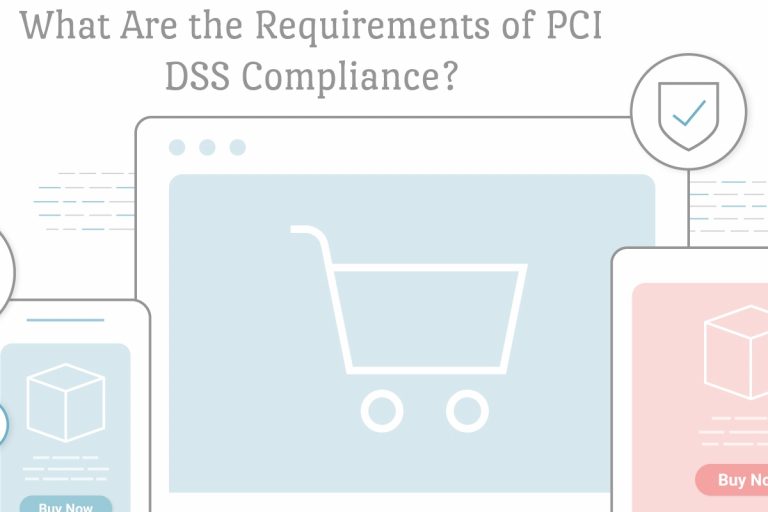
What Are the Requirements of PCI DSS Compliance?

0

If your company processes credit or debit card information, then it’s very likely that you have heard of Payment Card Industry Data Security Standard (PCI DSS).

Cardholder data should not be accessible to individuals who do not need access. In addition, sent to a central Syslog server there should be properly structured measures to control how cardholder data is accessed.

The contract for cardholder data handlers PCI requires PCI DSS; regardless of the size of your company, it must comply, and the compliance must be validated year by year.

Statistics have shown that organizational PCI DSS compliance has dropped consistently since 2016. For example, a payment security report by Verizon revealed that only 27.9 percent of businesses attained comprehensive PCI DSS compliance during their 2019 interim validation.

The core focus of the PCI DSS requirements checklist is to provide adequate credit card security to cardholders. Here are the requirements of PCI DSS compliance.

1. Install a Firewall and Maintain its Configuration

Firewalls prevent unauthorized access to data by unknown entities through rules and regulations configured by a company. This helps to adequately secure the card data environment. Firewall configuration maintenance should include bi-annual reviews to ensure no potential data leaks.

2. Avoid Porous Vendor-Supplied Defaults for System Security

Do not use third-party systems like routers, point of sale (POS) systems, modems, and other models with security codes that are often easy to guess and access by the public. PSI compliance in this regard includes putting together a list of software and devices requiring security access and including precautions and configurations to secure cardholder data.

3. Two-Fold Cardholder Data Security

Card Data must be secure through encryption. But it’s first crucial that you understand the volume of data to be stored together with its location and retention—harness industry-accepted algorithms (e.g., AES-256, RSA 2048).

4. Encrypt Data Transmitted Across Public Networks

When data is encrypted, it becomes gibberish and practically impossible for unauthorized use. A fourth PCI DSS requirement is that data transferred across locations must be encrypted. In addition, sensitive information like account numbers should not be sent to open or unknown locations such as GSM, Bluetooth, GPRS, 802.11, CDMA, or over the Internet. Cybercriminals are constantly seeking to take advantage of a company’s security system vulnerabilities. However, encrypting cardholder data will limit the possibility of a breach.

5. Install Antivirus Software

Antivirus software is necessary to secure devices that interact with and/or store PAN. It is also very important to ensure the constant update of this software. This PCI DSS compliance requirement is geared towards offering protection against diverse malware types that can wreak computer havoc. These also include workstations, smart devices, and laptops that may be used for carrying out various tasks with company resources. Updating antivirus or antimalware programs will make security software capable of confronting new threat data. This process will also make it impossible for potential malware infection. However, ensure that antivirus mechanisms are always kept active.

6. Identify and Classify Vulnerabilities In The PCI DSS Environment

Develop and maintain secure applications and systems by uncovering risks through reliable external sources. Business owners must be able to patch all systems in the card data environment in good time. These systems include application software, POS terminals, firewalls, routers, switches, databases, and operating systems. Updating them will provide an added security layer to the system, and they are essential for all software on devices that store or interact with cardholder data.

7. Control Cardholder Data Access

Cardholder data should not be accessible to individuals who do not need access. In addition, there should be properly structured measures to control how cardholder data is accessed. The restriction to data access requirement is focused on role-based access control (RBAC), which makes resources accessible on a need-to-know basis. Need-to-know is a crucial aspect of PCI DSS, ensuring that data is not exposed to the wrong users.

8. Dole Out Unique Access Identity to Each User

Every cardholder data with access should be assigned a distinct method of identification to gain access. Avoid using a single access code to encrypt data with several employees being given that code. That approach gives room for vulnerability. A more secure approach is to offer unique Identities and passwords/passphrases to every user. This will also speed up response time.

9. Restrict Data Access Physically

This PCI DSS requirement restricts cardholder data (digital and hard copies) from being physically exposed to the public. Data should be locked in a cabinet, drawer, or secure room. Aside from restricting physical contact with cardholder data, every potential access should strictly comply with the rules. Without physically putting these restrictions in place, potential threats would gain access and wreak havoc on systems and data.

10. Utilize Access Logs

One of the biggest risks to data is the lack of proper recording and documentation. Hence, access logs must be created and maintained before data and other network resources can be used. Data flow within your organization should be adequately documented. All systems must have a valid audit policy that must be set with logs sent to a central Syslog server.

11. Examine Security Systems Periodically

Even the best security approach can go awful either to human error, system malfunction, or outdated applications. Hence, it is important to test your security systems from time to time to keep healthy defenses.

12. Document and Implement Security Policies

Every policy should be geared towards the core PCI DSS goals and must be documented. Access to software, equipment, and employees must be adequately documented to aid compliance. The information security policy must at least be reviewed annually and passed across to every vendor, employee, and contractor.

7 Machine Learning and Artificial Intelligence Applications in the Real World

0

According to John McCarthy, a researcher at Stanford, Artificial Intelligence (AI) is the technology used to build robots, computers, or machines that exhibit intelligence similar to humans. These machines are self-sufficient and involve sophisticated algorithms.

Artificial Intelligence can be classified into two kinds.

1. Vertical Artificial Intelligence:

Vertical AI emphasizes developing algorithms that perform one specific job. These tasks include repetitive task automation. Computers or bots developed using vertical AI can serve you in just one way. For instance, you cannot use an algorithm designed for planning meetings to order food online.

2. Horizontal AI:

Horizontal AI, on the other hand, is designed to perform different tasks across different businesses. Siri, Google Assistant, and Alexa are some examples of Horizontal AI. These services are often used in the form of questions and answers. For example, they can respond with equal skill to questions like “What is the temperature in New Delhi?” or instructions like “Call Alex.” They do multiple tasks rather than focus on a single job.

What is Machine Learning?

Machine learning (ML) is a branch of artificial intelligence. In machine learning, computers are taught to learn a program using past experiences.

ML is divided into three parts based on the three types of framing concepts:

1. Supervised Learning:

In supervised learning, a machine gets a certain dataset for training, and this data is then analyzed using ‘supervised learning algorithms’. This means that each input data is mapped to a specific output data. The machine is trained with human intervention till it learns the right answer to each input question. A classic example of the supervised learning method is warning calls and push notifications for fraudulent credit card payments.

2. Unsupervised Learning:

In the unsupervised learning method, the machine is provided with input data and output information, but they aren’t mapped to each other. Thus, the machine needs to identify the relationship between these two data without external interference. An example use case of unsupervised machine learning is when an e-commerce website throws up suggestions of products you might like based on your previous purchases.

3. Reinforcement Learning:

In reinforcement learning, the machine has to solve a problem by deciding on the best course of action. The machine does not get any human help and has to use previous experiences. Reinforcement learning states to focusing more on learning issues than learning techniques.

You can learn these methods in any artificial intelligence courses offered by Great Learning

Applications of AI and ML in the real world

1. Autonomous Vehicles:

We’ve all heard that self-driving cars are the way of the future in the automotive business. Machine learning, artificial intelligence, and deep learning play a major role in making self-driving possible and efficient. The following are some of the most often used machine learning algorithms in autonomous driving :
● Scale-invariant feature transform (SIFT)
● AdaBoost
● TextonBoost
● You only look once (YOLO)

2. Machine Learning-based Stock Market Signals:

You read that correctly. Machine learning applications are also often used to get indications that assist in making sensible stock market trading selections. Before introducing ever-evolving machine learning algorithms in financial markets, stock market price prediction was a difficult undertaking. Now, traders can make consistent choices, thanks to AI. Machine learning frameworkscurrently being developed to discover social sentiment scores, assess technical indicators, and provide stock traders with actionable results.

3. Professional Virtual Assistants:

VPA is one of the most well-known machine learning applications. Machines are growing smarter in adopting human habits as the use of smart gadgets increases. Have you told Google Assistant that you want to be woken up at 6 a.m.? Have you asked Siri to provide you with directions to your favourite restaurant? Machine learning can be seen in all of these situations. Machine learning algorithms are at the heart of everything from revolving on smart appliances to ordering an Uber pickup.

4. Recognition of images:

It is relatively easy for people to recognize any image. Imagine an automobile, for example. I’m sure you can recall the picture of a car, its brand, and even the colour. However, pictures are merely a collection of numerical data for a computer. So image processing algorithms search for patterns in digital images (videos, graphics, or still images). Computers identify patterns by means of algorithms, and machine learning algorithms may recognize any picture.

5. Recommendation of a Product:

When you purchase a product on eCommerce sites like Amazon and Flipkart, you will be given choices with the tag ‘customers who bought this product also bought…’ or ‘users also bought this with this product…’ All of this is the consequence of powerful machine learning training, in which the system learns specific user habits and recommends additional items for purchase.

6. Chatbots for Online Support:

When you use any program that involves customer support, such as a banking app, you will see an option that says, “talk with us.” When you choose the option, you interact with chatbots that use machine learning concepts. These bots can distinguish between a wide range of inquiries and, as a result, provide speedy responses that address the query by extracting the appropriate input.

7. Google Translate is a tool that allows you to translate the text:

Travelling to a new area is always exciting, but the only riddle is figuring out how to communicate in the local language. Google has released an app that allows for quick translation of any language to address this issue.

Conclusion

According to India’s Future Scope of Artificial Intelligence 2021, the country has expected to have more than 8 billion AI-powered voice assistants by 2023. AI businesses worldwide will be worth more than 55 billion dollars by 2025.

Enrolling in a Machine learning course by Great Learning is the best thing you can do if you want to achieve this in-demand skill. Each Great Learning course includes a hands-on lab experience and in-depth course evaluations to help you learn and apply the most crucial skills in Artificial Intelligence.

Top Tips to Keep Your Employees Safe While Working on Site

0

Employees Safe – Construction sites can be dangerous places. Every year, thousands of construction workers are injured in accidents at work or suffer from ill health due to working with potentially harmful substances.

Health and safety risks on construction sites include trips, falls, electrocution, falling objects, structural collapses, and chemical spillages. Workers can be exposed to all of these risks in a single day when working on complex construction projects.

Construction safety is essential on your site to protect your employees from danger. You need to implement health and safety policies across your site and provide ongoing training to ensure every employee knows how to protect themselves and their colleagues.

Powered air purifying respirator papr systems include the components needed to filter ambient air and provide workers with safe, breathable air.

Maintaining safety not only protects your employees by reducing construction site accidents but also enhances engagement on your site and improves employee retention. You can build a strong company culture that reflects your professionalism and credibility as a construction brand.

How to Improve Health and Safety on Your Construction Site

Here are some top tips to improve health and safety on your construction site to protect.

Provide Personal Protective Equipment

Personal protective equipment (PPE) is essential on construction sites where employees are working with heavy equipment and dangerous substance. Failing to provide high-quality PPE increases the risk of injuries and fatalities on your construction site.

The PPE needs to be specific to the type of work. Your employees might need protective goggles, ear protection, heavy-duty boots, thick gloves, or high visibility jackets to stay safe.

Make sure to update your PPE regularly to comply with new health and safety regulations. If you noticed that any of your appointments is worn or damaged, replace it immediately.

Fix or Replace Faulty Machinery

Faulty or broken construction machinery poses a huge safety risk to your staff. It can cause serious accidents that may result in the loss of limbs, long-term disabilities, and even fatalities.

All of your construction tools and machinery should be fully tested every year to ensure it meets the legal health and safety standards. Defective equipment should be repaired or replaced immediately. If an employer reports an issue with a piece of equipment, you should investigate the problem as quickly as possible.

Train Your Staff in Health and Safety

Safety is everybody’s responsibility on a construction site. Your employees must take the necessary health and safety precautions while they’re working on-site to protect themselves and their colleagues.

Providing ongoing health and safety training to all of your staff will minimize the risk of accidents and injuries. They should be trained in identifying and reporting safety risks so that they feel comfortable escalating a hazard as soon as they notice it.

As part of your health and safety training, you should teach your employees basic first-aid techniques, such as CPR. If an employee is injured while working on-site, they can provide life-saving support until professional medical personnel arrives on the scene.

5 Things To Know When Trying To Increase Your eCommerce Conversion Rate

0

In today’s digital world, ecommerce is booming. Consumers are more connected than ever before and constantly looking for the best deals on products they want to buy. There are now more online shoppers than offline shoppers, and this trend will only continue growing in the years ahead.

To increase your ecommerce conversion rate, you need to optimize your website so that it coaxes visitors into making a purchase.

The success of your e-commerce site hinges on many things, including how easy it is to navigate, how well organized it is, and how quickly it loads so users don’t get frustrated and leave.

Here are five things you should know about how to lift CVR.

1. A Site That Is User-friendly And Well-designed

If your site looks and feels dated, has clunky navigation, or is difficult to understand and navigate, few people will bother to stay on it long enough to make a purchase. On the other hand, if your site is clean and modern, easy to navigate, and has helpful shopping tools, you will get more sales.

You can make your site more user-friendly in several ways, including using good design, organizing your content well, focusing on customer service, and ensuring your site loads quickly.

2. A Commitment To Content Marketing

No matter what product or service you sell, you should commit to content marketing. This is a strategy that most major companies use to generate leads and sales. This can be as simple as sharing helpful tips for reviewing products related to what you sell.

You also can use social media to grow your audience. You should have a presence on the platforms where your ideal customers are most likely.

3. Good Product Descriptions

Good product descriptions are essential for online sales. If a customer lands on a product page only to realize they have no idea what the product is or how it works, they will not buy it.

To write effective product descriptions, you should start by doing research on the product. Find out everything you can about it, including what it does, how it works, and why someone would want to buy it.

4. An Easy Checkout Process

An easy checkout process is essential for e-commerce success. If your checkout process is complicated, customers will abandon their carts and go shopping elsewhere. If your checkout process is quick, painless, and easy, on the other hand, you’re going to get significantly more sales.

You can do a few things to make your checkout process easier. You can try using a shopping cart plugin, which many e-commerce sites use. You can also try to keep your payment options simple. If you can, you should also look into offering one-click purchases, which lets customers checkout with just one click.

5. Welcome Guest Shopping

As you’re building your e-commerce site, it’s a good idea to let people know they don’t need to create an account to shop on your site. This is especially helpful if you’re selling products that don’t require login details, like magazines, snacks, or toiletries.

If you allow guests to shop on your site without logging in, you can still collect important information from them, like their email addresses, so you can follow up with them later.

The Bottom Line: How to Lift CVR

At the end of the day, e-commerce success hinges on many factors. You need a site that is easy to navigate, loads quickly and has helpful content and product descriptions. You also need a strong commitment to content marketing, a good checkout process, and an easy way for guests to shop on your site.

If you keep these tips in mind, you can make your e-commerce site more enticing and successful.

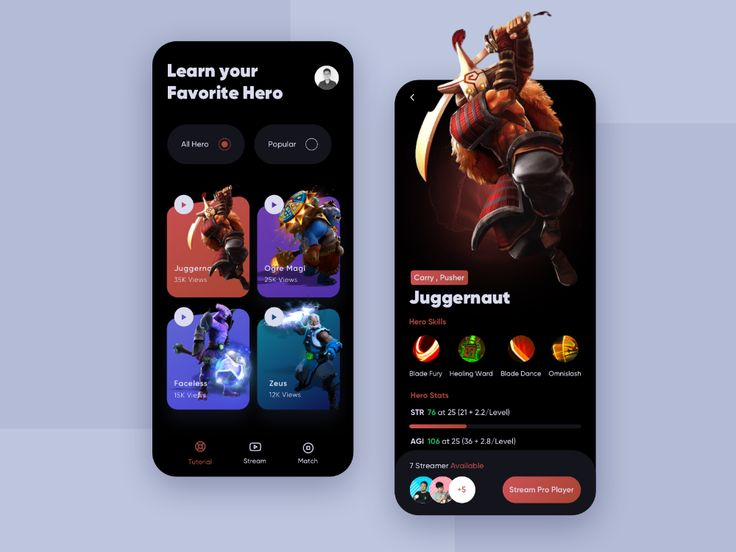
Why UX and UI are the Main Point in Game Development

0

Games are all about the player’s experience. Whether it’s an online multiplayer game or a single-player adventure, every decision made during development is aimed at enhancing that experience. This means that the user interface (UI) and user experience (UX) are two of the most important aspects of game development. In this post, we’ll take a look at what UI and UX design are, how they affect players’ experiences and some examples of good and bad UX/UI design in video games. We’ll also discuss the importance of feedback during game development and ways to improve your game’s UX/UI design.

1. What is UX and UI design in the context of video games

Designing video games is a complex process that involves many different aspects, from programming and graphics to marketing and sound. However, two of the most important aspects of game development are user experience (UX) design and user interface (UI) design.

UX design is all about making sure that players have a positive experience when playing your game. You want them to feel engaged and interested in the game world, and you want them to be able to interact with the game easily and without frustration. Good UX design will keep players coming back for more, while bad UX design can quickly drive them away.

game

UI design is responsible for the look and feel of the game’s menus and other on-screen elements. It’s also important for providing feedback to players so they know what’s going on in the game at all times. Bad UI design can make it difficult or confusing for players to do what they want, while good UI design makes everything easy to find and understand.

2. How do they affect players’ experience

The user interface (UI) and user experience (UX) of a video game are important factors that affect players’ enjoyment and immersion in the game. A well-designed UI should be intuitive and easy to use, while a well-designed UX should provide a smooth and enjoyable experience. Poorly designed UI and UX can lead to frustration and even cause players to give up on a game altogether.

There are several key elements of UX/UI design that video game developers need to keep in mind in order to create a positive experience for players. Firstly, the UI should be designed with the player’s needs in mind. The buttons and other controls should be easy to find and use, and the interface should be clear and uncluttered. Secondly, the UX should be smooth and seamless; players should feel like they are flowing through the game effortlessly. Finally, feedback is essential; players should feel like they are constantly progressing and that their actions have meaningful consequences. By keeping these factors in mind, developers can create video games with UI and UX that enhance players’ experience rather than detract from it.

3. Examples of good and bad UX/UI design in video games

UX/UI design in video games is increasingly important as games become more complex and interactive. Good UX/UI design makes a game easy and enjoyable to play, while bad UX/UI design can frustrate and alienate players. One good example of good UX/UI design can be seen in “Fortnite,” which features an intuitive and user-friendly interface that is easy to learn and navigate. In contrast, the much-anticipated game “Cyberpunk 2077” was released with numerous bugs and usability issues that led to widespread frustration among players. While the game’s developers have worked to improve the UX/UI over time, it remains an example of poor design choices can hamper the enjoyment of even the most anticipated games.

Good UX/UI design takes into account the player’s needs and desires, and works to create a smooth and enjoyable experience. Another example of good UX/UI design can be found in the game “The Legend of Zelda: Breath of the Wild”. The interface is clean and straightforward, and the buttons are clearly labeled. The game also makes good use of color, with different colored icons representing different items and information. This makes it easy for players to quickly find what they need. In contrast, the game “Assassin’s Creed 3” suffers from poor UX/UI design. The interface is cluttered and confusing, and important information is often hidden behind menus. The result is a game that is difficult to navigate and often frustrating to play. Good UX/UI design is essential for creating a positive player experience, and should always be a key consideration for game developers.

4. The importance of feedback during game development

User feedback is an essential part of the game development process, especially when it comes to UI/UX design. It can be difficult to predict how players will interact with a game, and often it isn’t until a game is released that developers realize that something doesn’t work as intended. By soliciting feedback from players during development, designers can identify potential problems and make necessary changes before the game is released. Additionally, player feedback can help to improve the overall user experience by providing insight into what players do and don’t like about the game. Ultimately, user feedback is essential for creating a well-designed game that players will enjoy.

game

5. Ways to improve your game’s UX/UI design

A great UX/UI design can make the difference between a successful game and one that flops. Here are a few ways to make sure your game’s design is up to par:

1. Use colors that complement each other. Too much of one color can be overwhelming, while a clash of colors can be headache-inducing. Find a color scheme that works well together and stick to it throughout the game.

2. Make sure icons and buttons are easily distinguishable from one another. A player should be able to tell at a glance what each icon does. If they have to guess, they’re likely to get frustrated and give up on your game altogether.

3. Use consistent fonts throughout the game. Again, this goes back to making sure the player knows what they’re looking at. If different sections of the games have different fonts, it’ll be hard for the player to keep track of where they are and what they need to do next.

4. Keep the UI simple and clean. Too much information on the screen at once will only serve to confuse the player. Stick to the essentials and leave out anything that isn’t absolutely necessary.

By following these guidelines, you can ensure that your game’s UX/UI design is up to par and that players will enjoy using it.

How to Increase FPS in Dota 2

0

Playing Esports titles in poor FPS conditions is far from ideal. Everyone and their grandmother know that. For optimal gameplay experience, no matter what your skill level is, you want to have solid FPS that’s above 60. Well above 60, if you’re really into the competitive elements of the game.

Check Dota 2 System Requirements

The first thing you need to do is to check if you even can run Dota 2. Check it out, and if your PC does not fit the requirements, do not even try to run it. You will need some new hardware, that’s for sure. System requirements for this game are as follows:

  • OS: Windows 7 or newer.
  • Processor: Dual core from Intel or AMD at 2.8 GHz.
  • Memory: 4 GB RAM.
  • Graphics: NVIDIA GeForce 8600/9600GT, ATI/AMD Radeon HD2600/3600.
  • DirectX: Version 9.0c.
  • Network: Broadband Internet connection.
  • Storage: 15 GB available space.
  • Sound Card: DirectX Compatible.

Unless you are running a 15-year-old PC, you should have more than enough power to run this game. But yet, here you are, which means you don’t have enough FPS. So, let’s check out how to increase the FPS so you can, once again, enjoy playing this game without any lags.

Verify the Game Files

Sometimes game files can get corrupted for no obvious reason, so, before anything, we need to make sure that those files aren’t corrupt. To check the integrity of game files, go to Steam, find Dota 2 in your library, right-click on it, and select properties. There, you will see “Verify integrity of game files…” under the “LOCAL FILES” tab. Click on that and wait for the magic to happen. Your PC will go through all Dota 2 files on your PC and check if anything is corrupted or missing.

Update Drivers

If verifying files didn’t help you, your next step is to update your graphic card drivers. Download the newest (or the most stable) version of the driver for your graphic card. Download location may vary depending on the manufacturer, but here are useful links to where you can download it.

Make sure to download the exact version and install it manually. Keep in mind that this process may require you to restart your PC before starting Dota 2 again.

Modify Dota 2 Launch Options

The next thing you should try is to add Steam launch options to Dota 2. Once again, go to Steam Library, right-click on Dota 2, and select properties. Go to “GENERAL” tab and enter the following command into launch options:

“-map dota -high -dx11 +fps_max 144”

-map dota: this command will force Steam to load Dota 2 map as soon as you launch the game

-high: it gives Dota 2 high priority CPU usage.

-dx11: it will force your OS to run Dota with Direxct3D rendering API. Don’t use this command if your graphic card does not support rendering API Direct X 11.

+fps_max 144: this command sets the maximum frame per second to 144. Maybe it was preset to something lower and that was the sole reason you have low FPS. So, make sure to include this command. Also, you can try a higher number; if you have a 240 Hz monitor, you can cap the FPS to 240.

In-Game Graphic Setting

Sometimes your FPS can increase by lowering the in-game graphic settings. However, this is only the case with old PCs. Try to lower the resolution, set everything to low, and turn off everything that you do not need.

If that helped, try turning advanced settings on one by one, and you will see which setting caused FPS drops. Usually, the highest impact ones are Anti-Aliasing, High Quality Water, High Quality Dashboard, and Tree Wind.

You don’t need everything turned on. Even professional Dota 2 players with high-end PCs don’t have everything on high, and people still watch, enjoy, and bet on Dota 2. So, relax and try to find the best possible in-game settings for your PC.

Close Unnecessary Programs

Another thing that can drain your PC power are unnecessary programs. So, if you have software like Skype, Origin, Slack, Discord, or anything else that is currently running, try to turn them all off. Third-party programs can cause lags and FPS drops, especially if you use some software that directly impacts the game, like Dota 2 statistic trackers and in-game helpers on Overwolf.

We hope this article helped you resolve your issue. If nothing above helped, you will probably need to reinstall Dota 2 or even your operating system. Also, make sure to check our other “How To?” tutorials and you might find just what you are looking for.